
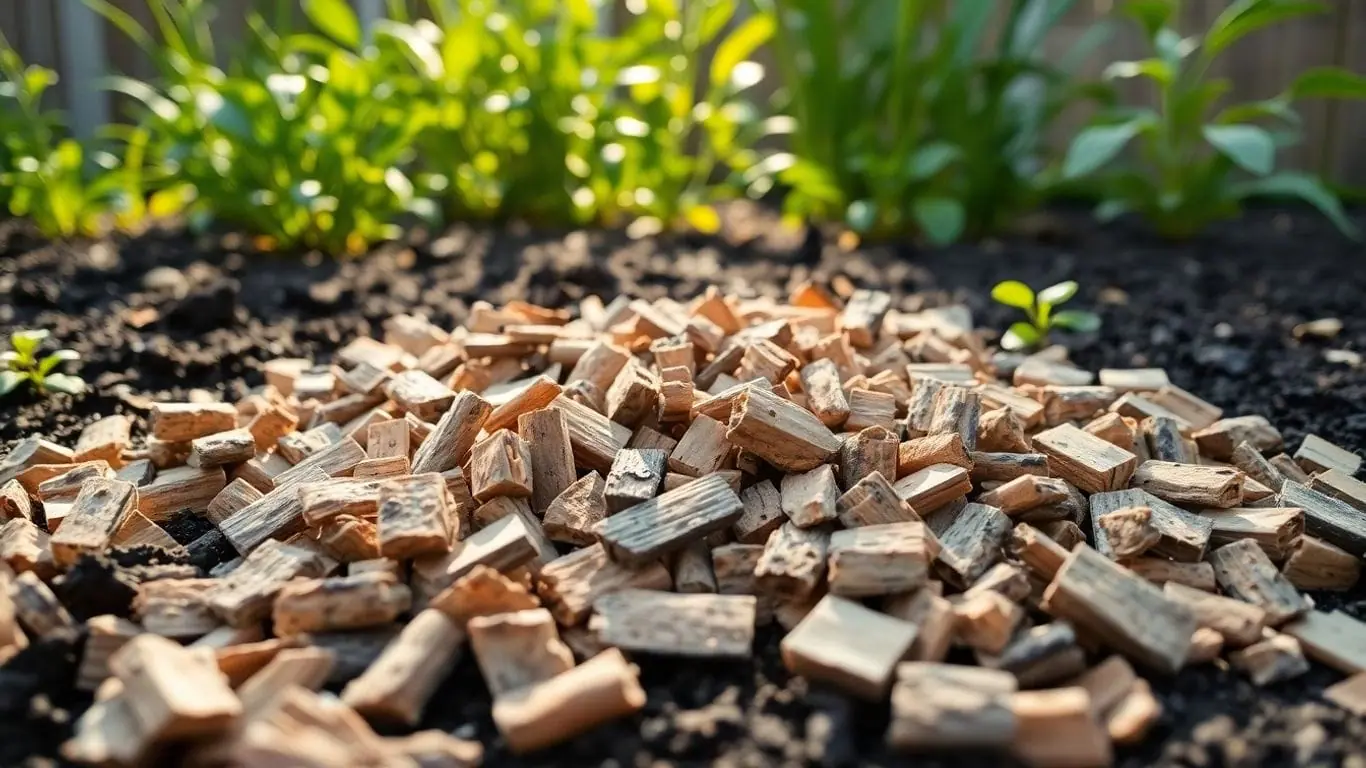
If you’re thinking about giving your yard a fresh look, wood chips are a simple way to do it. They’re everywhere from garden beds to playgrounds. But with so many choices, it’s easy to get lost. Some are bright and colorful, others are natural and earthy. And then there’s figuring out how to put them down without making a mess. In this guide, we’ll walk through the types of wood chips Toronto gardeners use, what makes them helpful, and a few tips to make your yard work easier.
Key Takeaways
- It come in many types, like hardwood, softwood, colored, and natural options.
- They help keep weeds down and hold moisture in the soil, making garden care easier.
- Organic wooden chips break down over time and improve soil, while inorganic ones last longer but don’t add nutrients.
- Proper installation means spreading chips evenly and keeping them away from plant stems.
- Regular upkeep, like raking and topping up, keeps your wooden chips looking good year-round.
What Are Wood Chips Toronto?
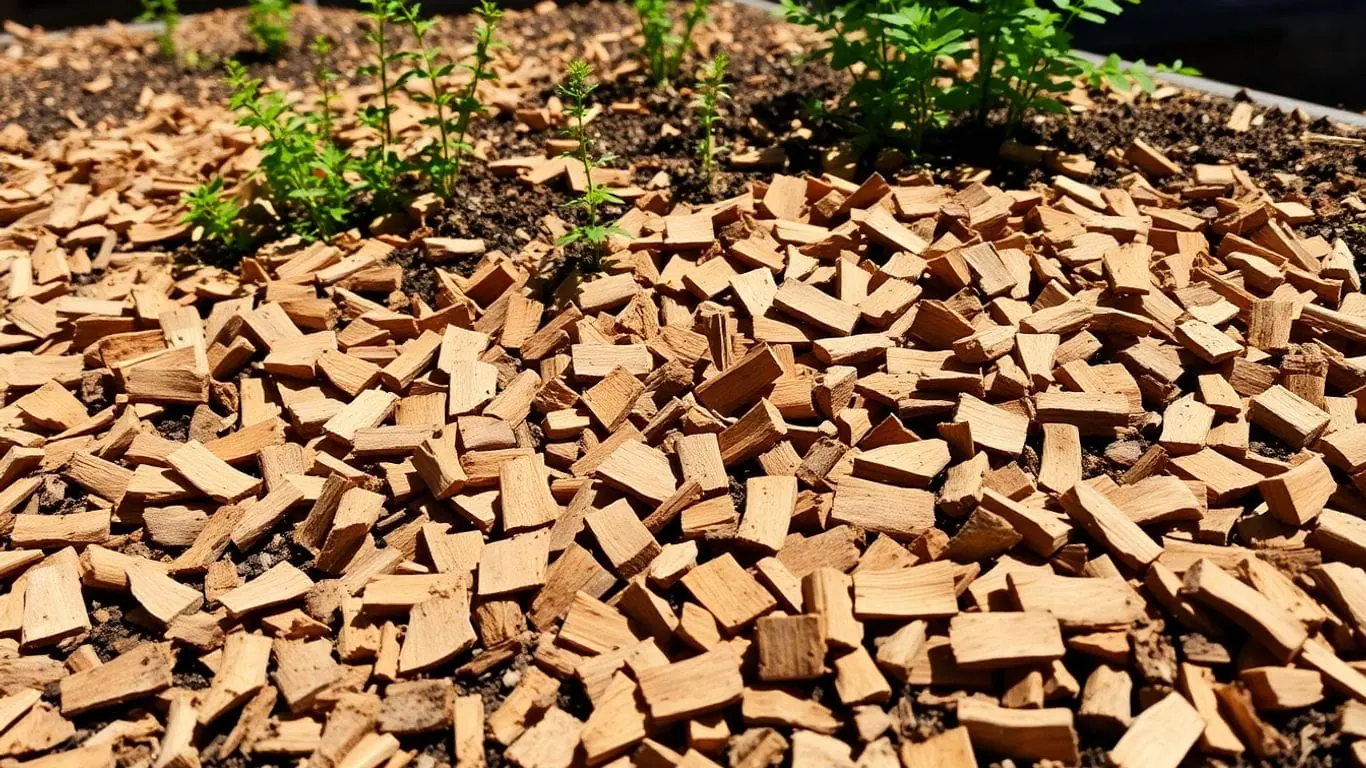
They are small pieces of wood, usually made from tree branches, trunks, or bark, that are processed through chipping machines. They’re commonly used in landscaping and gardening, both for their practical benefits and their clean, natural look in outdoor spaces.
At their core, they are a type of organic mulch designed to cover the soil’s surface and offer several gardening benefits. You’ll often find them in park pathways, garden beds, or around trees, because they’re simple, natural, and easy to find through local suppliers.
Here’s what you need to know:
- They’re made from different tree types, including both hardwoods and softwoods.
- The chips come in various sizes and colors from natural, unprocessed blends to dyed options that pop visually.
- Most wood chips Toronto used for gardens are biodegradable, meaning they gradually break down and return nutrients to the soil.
Best Wood Chip Types for Landscaping
Every garden or backyard feels a little different, which means not every mulch works for every space. Picking the best wood chip types for landscaping isn’t one-size-fits-all—it’s about finding what actually works for your needs. Let’s break down what’s out there and how to decide.
Hardwood vs. Softwood Chips
- Hardwood Chips
- Made from trees like oak, maple, or beech.
- Decompose more slowly, making them great for lasting paths or areas that won’t be dug up soon.
- They stay in place and don’t blow around much.
- Softwood Chips
- Pine, cedar, and spruce are the usual suspects.
- They break down quicker than hardwood, releasing some acidity nice for certain plants but not ideal everywhere.
- Cedar in particular smells great and helps keep bugs away, which lots of people like for play areas or seating spots.
| Type | Decomposition Rate | Best Use Areas | Pros |
|---|---|---|---|
| Hardwood Chips | Slow | Paths, perennial beds | Long-lasting, dense |
| Softwood Chips | Fast/Moderate | Vegetable gardens, shrubs | Fragrant, pest-repellent |
Colored and Natural Chips
Not everyone wants their mulch to stand out. But in some spots, colored wood chips can make things pop or just blend in better with the house or garden design.
- Natural Chips
- Just wood, no dyes. Simple, clean, earthy look that works everywhere.
- Good for veggie gardens or spots you want to keep as natural as possible.
- Colored Chips
- Dyed red, black, or brown, often using non-toxic colorants.
- Used for added contrast, making flower beds or paths stand out.
- Dye can fade over time, though, so you’ll need to refresh it every year or two.
Organic and Inorganic Mulch Options
They are usually organic, but sometimes you’ll see other choices thrown into the mix for landscaping.
- Organic Mulch (like wood chips, bark, straw):
- Breaks down, adding nutrients to the soil.
- Needs topping up as it decomposes, especially after a tough winter.
- Inorganic Mulch (stone, rubber chips):
- Doesn’t add anything to your soil, but doesn’t rot either.
- Less maintenance, but doesn’t look or feel as ‘alive’ as wood mulch.
Choosing the best wood chip types for landscaping isn’t just about looks it’s about knowing what your space actually needs and how much effort you want to put into upkeep later on.
Benefits of Using Wood Chips
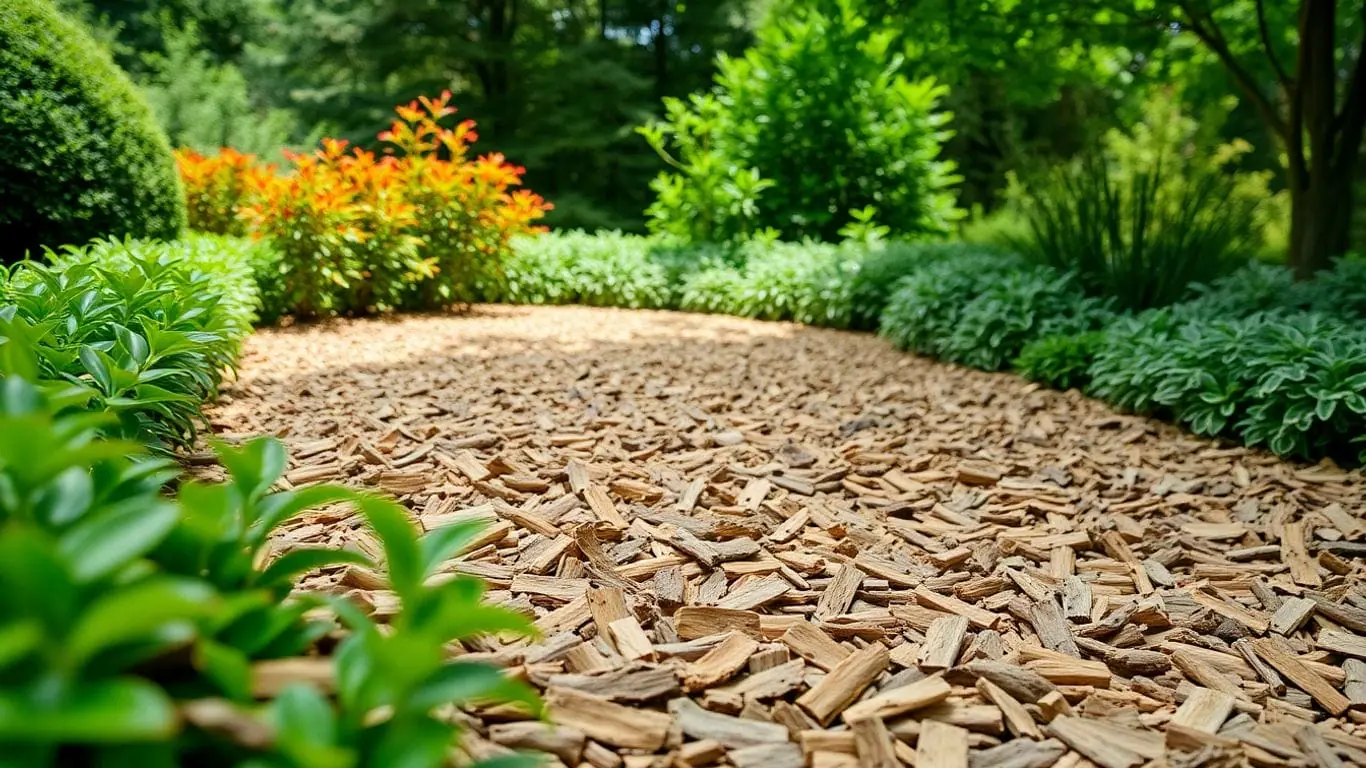
The benefits of using wood chips in your garden or landscape go well beyond surface-level aesthetics. These natural mulching materials work silently under your feet, making a visible difference in how your yard handles weeds, water, and overall curb appeal.
Weed Suppression
One of the top benefits of using it is its ability to block unwanted weeds from taking over your garden.
- They form a dense layer that makes it hard for sunlight to reach weed seeds, slowing their growth.
- This means you’ll spend much less time weeding and more time actually enjoying your garden.
- Fewer weeds also means your plants don’t have to fight for space or nutrients, making for healthy, lush growth all season long.
Moisture Retention and Soil Improvement
They act as a natural sponge, helping your garden hold onto its moisture.
- During Toronto’s dry spells, they keep water from evaporating too quickly, so your plants stay hydrated longer.
- They also regulate soil temperature, which prevents roots from getting too hot in the summer or too cold in the fall.
- Over time, as the chips break down, they add organic matter that improves soil texture and boosts nutrients.
| Benefit | Impact Level |
|---|---|
| Water Savings | High |
| Soil Health Increase | Medium |
| Temperature Control | Medium |
Aesthetic and Landscaping Appeal
Let’s be honest wood chips Toronto just look good. They tidy up a messy garden bed and make landscaping stand out.
- Theys come in several shades and types, so you can pick a look that fits your style.
- Using chips around shrubs, trees, or pathways creates clean borders and helps define garden spaces.
- A well-mulched yard can even boost property value by improving curb appeal.
Whether you’re aiming for a natural woodland vibe or a modern, sleek appearance, they are an easy, effective way to get there.
Using it means you don’t have to fuss so much with fancy designs simple additions bring everything together.
How to Install Wood Chips in Gardens
Putting them in your garden isn’t just a case of dumping random bags on top of the soil you want to do it right so your plants and soil actually benefit. Proper installation helps with moisture, weed control, and soil health. Here’s a run-through of how to install wood chips in gardens, with a few essential steps you shouldn’t skip:
- Prep the Area: Clear out any weeds, grass, or debris where you want the wood chips to go. This keeps unwanted plants from growing right back through your mulch.
- Edge Your Beds: Make sure you have a clear edge around your beds or paths. This not only looks neater but also keeps the chips where you actually want them.
- Lay Down Landscape Fabric (Optional): If you’re fighting a losing battle with weeds, a breathable fabric can really help. Just remember, landscape fabric isn’t always necessary, especially for organic beds where you want roots and critters to mix freely.
- Spread Chips Evenly: Pour the chips over the soil and spread them out with a rake to around 2–3 inches deep. More than that can suffocate roots or hold too much moisture.
- Keep Chips Away from Stems: Make a little donut of space around the base of each plant or tree don’t pile the chips right up against stems or trunks.
- Water Afterward: Dampen the chips with water once you’re done spreading them. This keeps everything in place and helps the chips start breaking down and supporting soil life.
If you want the most out of your mulch, add a layer each spring to boost moisture retention before the summer heat arrives, or lay it in the fall to insulate your plant roots for the winter.
Wood Chip Maintenance Tips
Keeping your wooden chips in top shape is not complicated, but staying on top of it will give your yard or garden a much cleaner look. Regular maintenance keeps weeds down, stops chips from compacting too much, and helps your soil stay healthy.
Here are some useful wood chip maintenance tips to keep in mind:
- Rake the chips occasionally to keep them even and break up compacted areas.
- Add a new layer every 1–2 years, since chips break down over time and start to look tired.
- Check for mold, fungus, or odd smells, especially after long rain or if the area is shady, and remove any affected chip patches.
- Watch for bare spots or fading color. Refill these areas so weeds don’t take over and things stay looking fresh. For some types, especially around trees, don’t pile chips too high to avoid harming roots see more about proper mulching techniques.
- Inspect soil below the chips once or twice a season to make sure it’s not too dry or overly damp.
They are pretty low maintenance, but a little attention makes a big difference in how your space looks and how well plants grow. Using these simple wood chip maintenance tips, you’ll keep your garden or yard looking great year-round.
Conclusion
So, that’s the scoop on wood chips Toronto. There are a bunch of types to pick from, and each one has its own perks. Whether you want to keep weeds down, help your soil hold water, or just make your yard look a bit tidier, they can do the trick. Just remember to pick the right kind for your space and follow a few simple steps when you put them down. It’s not rocket science, but a little planning goes a long way. If you’re not sure what to choose or how much you need, don’t be shy about asking a local garden center or a certified arborist. At the end of the day, a fresh layer of mulch can make your garden look great and save you some work. Give it a try and see the difference for yourself.
Frequently Asked Questions
What are the best types of wood chips for gardens?
In most cities, hardwood chips like maple or oak are popular because they last longer and look natural. Cedar chips are also a great choice since they smell nice and help keep bugs away. If you want a pop of color, you can use colored chips, but make sure the dyes are safe for your plants.
How thick should I spread wood chips in my garden?
A good rule is to spread it about 2 to 3 inches deep (5–8 cm). Too much mulch can block water and air from getting to your plants, but too little won’t stop weeds or keep the soil moist.
Do wood chips attract bugs or pests?
They can attract some bugs, but using cedar or pine chips helps keep most pests away. If you keep the mulch a few inches away from plant stems and tree trunks, you can avoid most problems.
How often should I replace or refresh wood chip mulch?
It’s a good idea to check your mulch every year. If it looks faded or thin, add a fresh layer. Usually, they last one to two years before they need to be replaced.
Can wood chips be used around all plants?
They work well for trees, shrubs, and flower beds. For vegetable gardens, you can use them on paths or between rows, but don’t mix them into the soil because they can take away nitrogen that veggies need.
Is it better to use organic or inorganic mulch?
Organic mulches like wood chips, bark, or leaves help the soil by adding nutrients as they break down. Inorganic mulches, like stones or rubber, don’t break down but are good for paths or places where you don’t want weeds. For most gardens, organic mulch is the best choice.
Serving the Greater Toronto Area