
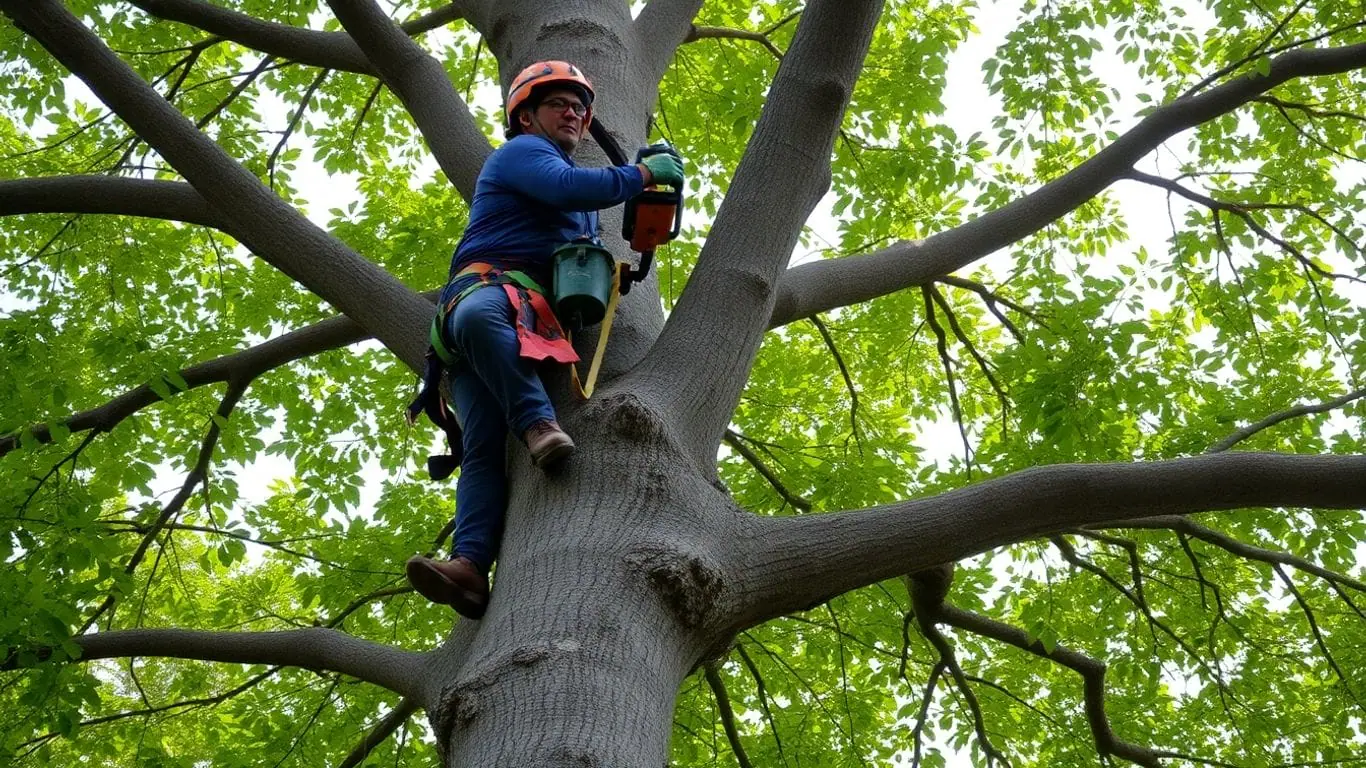
Thinking about taking down a tree on your property in Toronto? It’s not as simple as you might think. There are rules and permits you need to know about. This guide will help you understand the process for tree cutting Toronto, so you can handle it the right way. We’ll cover what signs to look for, the local laws, and why hiring professionals is often the best move.
Key Takeaways
- In Toronto, removing trees often requires a permit, especially for trees 30 cm or more in diameter on private property, or any size on city property.
- Failing to follow tree removal regulations can lead to substantial fines, sometimes up to $100,000 per tree.
- Protected tree species and trees in ravines or natural areas have stricter removal rules and may require special approvals.
- Homeowners are often required to plant replacement trees to compensate for removed healthy trees, helping maintain the city’s green canopy.
- Hiring a certified arborist is recommended for safe tree removal, accurate assessments, and help navigating the complex permit application process in Toronto.
Tree Cutting Toronto Understanding the Importance of Safe Tree Removal
When you’ve got a tree that’s looking a bit rough or is just in the way, thinking about getting it cut down in Toronto might seem straightforward. But honestly, it’s a bit more involved than just grabbing a saw. Doing it safely is the biggest thing, not just for you and your property, but for the folks around you too.
Trees can be heavy, and when they fall, they don’t exactly pick a spot. A misplaced cut or a bad angle can lead to serious damage to your house, your neighbor’s fence, or even worse, someone could get hurt. That’s why understanding the importance of safe tree felling Toronto is step one.
Here are a few reasons why taking the safe route matters:
- Preventing Property Damage: A falling tree can do a lot of harm. Think roofs, cars, sheds you name it. Proper techniques keep the tree going where it’s supposed to.
- Avoiding Personal Injury: This is huge. Chainsaws are no joke, and working with heavy branches high up is risky business. Professionals have the gear and know-how to stay safe.
- Complying with City Rules: Toronto has rules about cutting down trees, and ignoring them can land you with fines. Safe removal often goes hand-in-hand with following the proper procedures.
- Protecting Surrounding Trees: Sometimes, the tree you’re removing is close to other plants or trees you want to keep. Careful removal prevents accidental damage to the rest of your landscape.
When you’re looking at a tree that needs to go, it’s easy to focus just on the ‘getting it down’ part. But the ‘how’ is really what separates a simple task from a potentially dangerous situation. Thinking about the whole process, from planning the cut to cleaning up, is what safe removal is all about.
So, before you even think about starting, it’s worth considering why professional help is often the best bet for safe tree felling in Toronto. It’s about peace of mind and making sure the job gets done right, without any nasty surprises.
Signs It’s Time to Cutting a Tree
Sometimes, a tree on your property just isn’t going to cut it anymore. It might be looking a bit rough, or maybe it’s just gotten too big for its britches, so to speak. You don’t want to wait until it becomes a real problem, right?
Keeping an eye out for warning signs can save you a lot of headaches, and potentially a lot of money, down the road.
Here are some common indicators that it’s time to consider removing a tree:
- Visible Damage or Disease: Look for things like large dead branches, cracks in the trunk, or signs of insect infestation. Fungal growth on the bark or mushrooms growing at the base are also red flags. If the tree’s canopy is thinning out significantly, especially on one side, that’s not a great sign either.
- Leaning or Unstable Structure: Is the tree leaning at a sharp angle? Are the roots visibly lifting out of the ground on one side? This could mean the root system is compromised, making the tree a tipping hazard, especially during strong winds or heavy snow.
- Proximity to Structures: If a tree is growing too close to your house, garage, or even a fence, its branches could cause damage, or its roots could interfere with foundations. Overhanging branches can also be a risk during storms.
- Dead or Dying Trees: A tree that’s completely dead or clearly in the process of dying is a safety risk. These trees are brittle and more likely to break.
Sometimes, even if a tree looks okay from a distance, a closer inspection by a professional can reveal underlying issues. It’s always better to be safe than sorry when it comes to large trees near your home or public areas.
Tree Cutting Rules and Permits in Toronto
So, you’re thinking about Tree Cutting Toronto style? Before you even think about grabbing a saw, you need to know about the rules. It’s not just about your property; the city has a big say in what happens to trees here.
Generally, if a tree on your property is 30 cm or wider when measured about 1.4 meters off the ground, you’ll likely need a permit to remove it. This applies to private property, but if the tree is on city land, any size tree usually requires permission. It’s all laid out in the City of Toronto Municipal Code, Chapter 813, Trees. This bylaw is pretty serious about keeping our urban forest healthy and looking good.
Here’s a quick rundown of when you’ll probably need to get a permit:
- Private Property Trees: If the trunk diameter is 30 cm or more.
- City-Owned Trees: Any size tree on city property.
- Ravine or Natural Areas: Trees in these protected zones, regardless of size.
- Heritage Trees: Trees on heritage properties.
There are some exceptions, of course. Sometimes, if a tree is dead or poses an immediate danger, you might be able to get an emergency exemption. But don’t just assume always check with the city’s Urban Forestry department first.
Applying for a permit can feel like a maze. You’ll usually need to fill out forms, maybe get an arborist report, and pay a fee. The whole process can take several weeks, so plan ahead. It’s better to be safe than sorry and end up with a hefty fine for unauthorized Tree Cutting and Stump Grinding.
If you’re planning construction that might affect trees, that’s another situation where you’ll need specific permits and plans to protect the trees during the work. The city wants to make sure development doesn’t wipe out our green canopy. Remember, even if you get a permit, you might have to plant replacement trees or pay a fee. It’s all part of keeping Toronto green.
Step by Step Tree Cutting Process
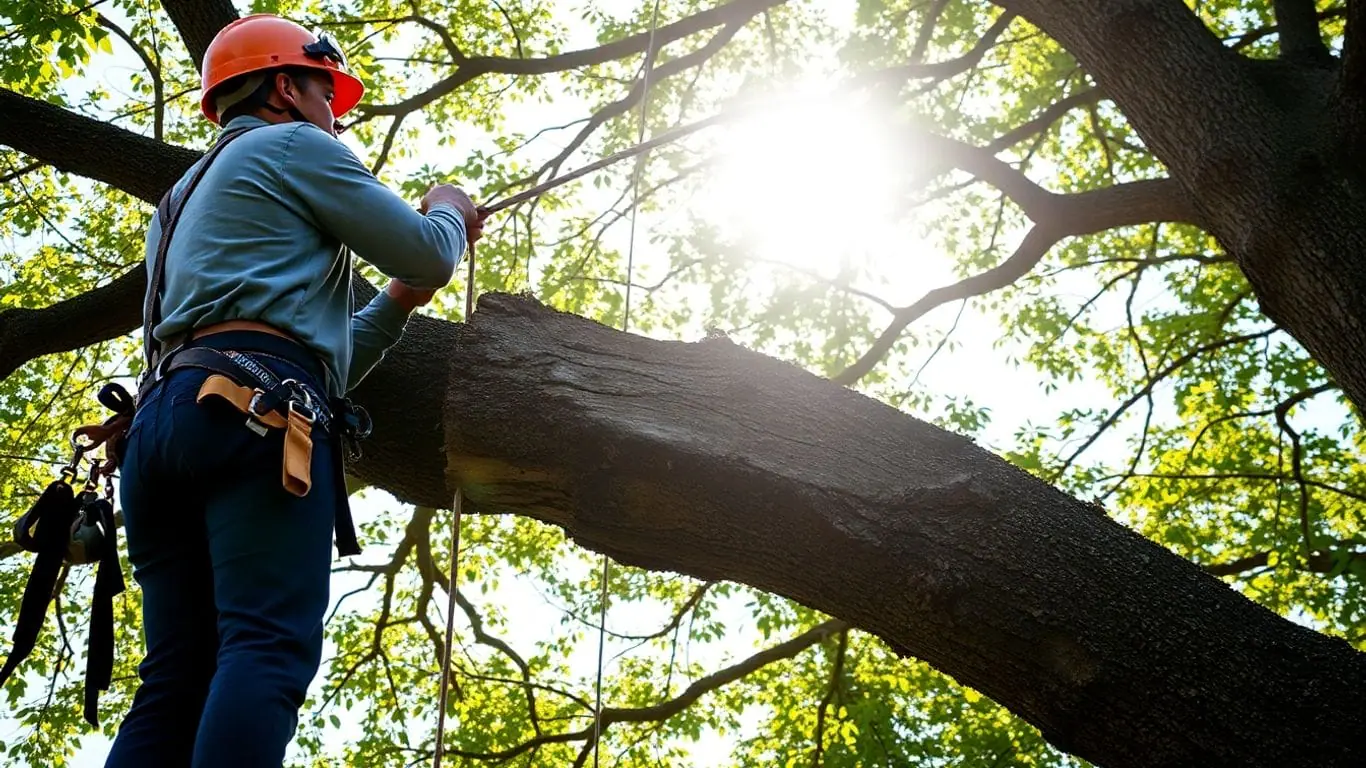
Alright, so you’ve decided it’s time to take down a tree. It’s not just a matter of grabbing a saw and going for it, though. There’s a bit of a process involved to make sure it’s done right and safely.
First things first, you’ve got to figure out if you even can cut it down. This means checking with the city about permits and rules. We talked about that earlier, but it’s worth repeating: don’t skip this part! Once you’re clear on the legal side, you can start planning the actual removal.
Here’s a general rundown of how it usually goes:
- Assessment and Planning: Before any cutting begins, a professional will look at the tree. They’ll check its size, health, and where it’s located. This helps them figure out the best way to take it down without causing problems for your house, your neighbor’s property, or any power lines. They’ll also think about what equipment they’ll need.
- Site Preparation: This involves clearing the area around the tree. You’ll want to move any lawn furniture, decorations, or anything else that could get in the way or get damaged. If it’s a big job, they might even set up safety cones or barriers.
- Dismantling (if necessary): For larger trees, especially those close to structures, they won’t just chop the whole thing down at once. Instead, they’ll carefully cut it into smaller sections, starting from the top. This is where precision really matters, and it’s why having the right tools, like a good chainsaw, is so important.
- Felling: Once the bulk of the tree is removed or if it’s in an open area, the main trunk is cut down. This is the part that looks most dramatic, but it’s done with a lot of planning to control where the tree will fall.
- Limbing and Bucking: After the tree is on the ground, the branches are removed (limbing), and the trunk is cut into manageable sections (bucking).
- Stump Removal/Grinding: Often, the stump is left behind. Many people opt to have it ground down below the surface of the soil. This makes the yard usable again and prevents tripping hazards.
- Cleanup: This is a big one. All the wood, branches, and debris need to be hauled away. Sometimes, the wood can be chipped for mulch, or larger pieces can be saved for firewood if you want.
Remember, even if you’re just trimming branches, there are rules about how much you can cut without a permit. It’s always better to be safe than sorry when it comes to tree work.
Finally, if the city requires it, replanting a new tree will be scheduled for the next suitable season. This helps keep the urban canopy healthy.
Essential Safety Tips for Tree Cutting
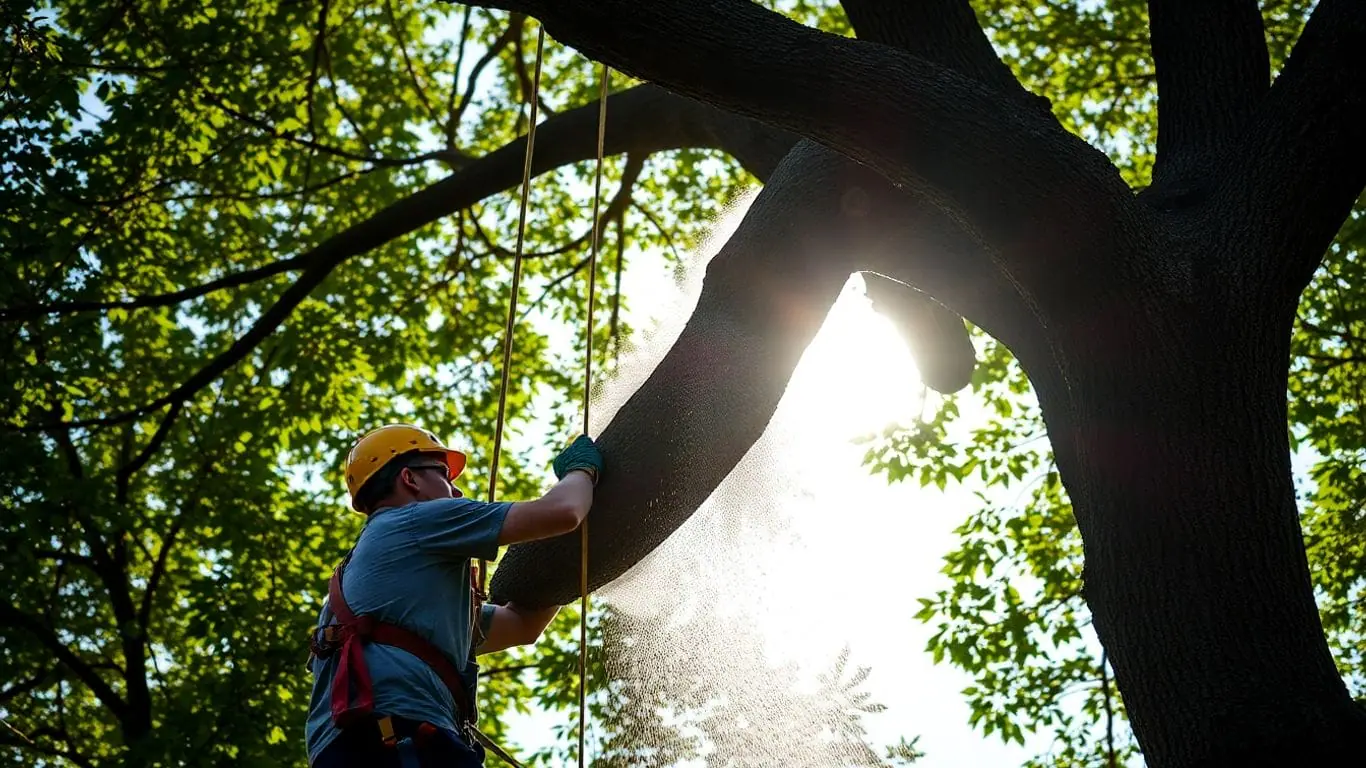
Alright, let’s talk about staying safe when you’re dealing with tree cutting in Toronto. This isn’t a DIY project for the faint of heart, and cutting down trees, especially for hazardous trees or after storm damage, requires serious attention to safety. Always prioritize your well-being and the safety of those around you.
Before you even think about picking up a saw, make sure you’ve got the right gear. We’re talking sturdy work boots, safety glasses or a face shield, heavy-duty gloves, and hearing protection. If you’re working at heights, a reliable harness and ropes are non negotiable. For larger jobs, especially those involving commercial tree cutting or extensive residential tree cutting, consider the weight and stability of the tree. A falling branch can do a lot of damage, and a whole tree coming down unexpectedly is a major hazard.
Here’s a quick rundown of what to keep in mind:
- Clear the Area: Make sure there’s a wide, clear zone around the tree. Nobody should be within at least twice the height of the tree while it’s being cut. This includes pets and curious neighbors.
- Plan Your Escape Route: Before the first cut, know exactly where you’ll go if the tree starts to fall in an unexpected direction. You want a clear path away from the fall zone.
- Assess the Tree’s Condition: Look for signs of rot, disease, or damage. Trees weakened by pests or weather can be unpredictable. If you’re dealing with storm damage, the tree might be unstable in ways you can’t easily see.
- Watch for Overhead Hazards: Power lines are a huge concern. Never attempt to cut a tree that is near or touching power lines. Call the utility company immediately.
- Use the Right Tools: Ensure your tools are sharp and in good working order. A dull saw makes the job harder and more dangerous. For larger trees, specialized equipment might be needed.
When you’re dealing with a tree that’s leaning heavily, has large dead branches, or is precariously close to your house, it’s often best to step back. Trying to tackle a tree that’s already a significant risk can quickly turn into a dangerous situation. It’s better to be safe than sorry, especially when dealing with trees that pose an immediate threat.
If the tree is large, diseased, or in a difficult spot, it’s really worth considering professional help. Licensed tree cutting services have the training, equipment, and insurance to handle these situations safely. They’re experienced with everything from routine residential tree cutting to emergency removals after a storm.
Why Hire Professional Tree Cutting Services in Toronto
Look, taking down a tree yourself might seem like a good way to save some cash, but honestly, it’s usually not worth the headache. Professionals have the right gear and know-how to get the job done safely and efficiently. Trying to tackle a big tree with a chainsaw and a prayer is a recipe for disaster. These folks are trained to handle all sorts of situations, from tricky angles to trees leaning precariously close to your house.
Here’s why bringing in the pros makes sense:
- Safety First: Tree removal is inherently dangerous. Professionals have the training, protective equipment, and experience to minimize risks to themselves, your property, and anyone nearby. They know how to assess a tree’s stability and plan the safest removal method.
- Proper Equipment: They own specialized tools like bucket trucks, cranes, and rigging equipment that most homeowners don’t have access to. This equipment allows them to work safely and effectively, even in tight spaces or with large trees.
- Permit Navigation: Dealing with Toronto’s tree bylaws and permit process can be confusing. Arborists are familiar with these regulations and can often handle the permit applications and necessary reports for you, saving you a lot of time and potential fines.
- Tree Health Assessment: Before removal, a professional can properly assess the tree’s health. Sometimes, a tree might be salvageable with proper care, or its condition might dictate a specific removal strategy.
- Efficiency: They work quickly and systematically. What might take you days of struggling could be completed by a professional crew in a matter of hours.
When you’re dealing with a tree that’s causing problems or just needs to go, especially if it’s an emergency tree cutting services situation, calling a professional is the smart move. They’ve got the skills to handle it without turning your yard into a hazard zone. You can find trusted services like Heritage Tree Care who are certified and insured.
Trying to cut down a tree without the right experience or equipment is like trying to perform surgery with a butter knife. It’s not just about getting the tree down; it’s about doing it without causing more problems than you solve. Professionals bring a level of skill and safety that’s hard to match.
Plus, they often handle the cleanup and disposal, leaving your property looking tidy. It’s about peace of mind, knowing the job is done right and safely.
Eco Friendly Disposal and Aftercare
Once the tree is down, what happens next is just as important as the removal itself. Toronto has rules about how you handle the leftover wood and debris. The city generally collects all tree debris from city-managed work, and they don’t leave it for property owners. If you’re hiring professionals for private work, they’ll typically haul it away.
But what can you do with all that wood?
- Chipping: Smaller branches and leaves can be chipped. This wood chip material is often used for mulch in parks and gardens, which is great for retaining soil moisture and suppressing weeds.
- Firewood: Larger, solid pieces of hardwood can be cut into firewood. Make sure it’s seasoned properly before burning, though.
- Composting: Smaller, non-diseased branches can be added to a compost pile.
- Donation: Sometimes, local community gardens or woodworking groups might be interested in taking usable wood.
If a city tree is removed, replacement planting is usually mandatory. The city will schedule this for the next suitable season. For private removals, especially if you had to get a permit, check if replanting is part of the agreement. Planting a new tree, even a sapling, helps the environment and can eventually replace the canopy lost.
After the stump is ground down, the area needs attention. Often, the cavity is filled with topsoil, and grass seed is applied to help it blend back into your lawn.
Proper disposal and aftercare aren’t just about tidiness; they’re about respecting the urban ecosystem. Thinking about how the wood is reused or composted, and ensuring any replanting happens, contributes to the city’s green initiatives and helps maintain a healthy environment for everyone.
Final Thoughts
So, we’ve covered a lot of ground, from spotting a tree that needs to go to actually getting it down safely and dealing with the aftermath. It’s clear that cutting down trees in Toronto isn’t just a simple DIY job. There are rules, permits, and a whole lot of safety considerations to keep in mind.
Remember, when in doubt, always consult with the City of Toronto or a certified arborist. They can help you understand if a permit is needed, what the process looks like, and even advise on whether removal is truly the best option.
Here’s a quick rundown of what to keep in mind:
- Permits are often required: Don’t assume you can just cut down any tree. Check the city’s bylaws first.
- Safety first, always: Tree removal is dangerous work. Professionals have the gear and know-how.
- Consider the environment: Think about disposal and potential replanting.
It might seem like a hassle, but following the right steps protects you, your property, and Toronto’s urban forest. If you’re dealing with a tree on city property, you can submit requests to 311 for removal if it’s unhealthy.
Ultimately, taking the time to do things the right way, whether that means getting the proper permits or hiring experienced professionals, saves a lot of potential headaches down the line. It’s about being a responsible property owner in a city that values its green spaces.
So, that’s the wrap-up! We’ve covered a lot of ground, and hopefully, you feel more informed. Ready to dive deeper and explore more? Head over to our website to find tons of helpful resources and tips. We’re always adding new stuff, so check back often!
Wrapping It Up
So, cutting down a tree in Toronto isn’t quite as simple as just deciding to do it. There are rules, and you really need to know them before you grab any tools. Whether you need a permit or if your tree is exempt, it’s all about following the city’s guidelines. Ignoring them can lead to some hefty fines, which nobody wants. If you’re unsure about any of it, or if the tree looks a bit tricky to handle, it’s always a good idea to bring in a professional arborist. They know the ropes and can help make sure everything is done safely and legally. Taking the time to get it right means you can avoid a lot of headaches down the road.
Frequently Asked Questions
Do I always need a permit to cut down a tree in Toronto?
Not always! If the tree is small (less than 30 cm wide) and on your private property, you might not need a permit. However, for bigger trees, trees on city property, or those in special natural areas, you’ll definitely need to get permission from the city first. It’s always best to check the city’s rules to be sure.
How much does a tree removal permit cost in Toronto?
The cost can change depending on the size of the tree. For trees with a diameter between 30-49 cm, the permit fee might be around $123. For larger trees, 50 cm or more, it could be about $369. Sometimes, you also have to pay for replacement trees if the city requires it.
What happens if I cut down a tree without a permit?
Cutting down a tree without the proper permission can lead to some serious trouble. You could face big fines, sometimes thousands of dollars per tree. In some cases, you might even be forced to plant new trees to make up for the one you removed. It’s much cheaper and less stressful to follow the rules.
Can I cut down a tree that’s on my property line?
Trees on the line between your property and your neighbor’s are usually considered shared. This means you can’t just cut it down on your own. You’ll need to talk to your neighbor and get their written agreement before you can remove it. The permit process might also be a bit different for these types of trees.
Are there specific types of trees I can’t cut down?
Yes, there are. Some tree species are protected by law because they are rare or endangered, like Butternut or Black Ash trees. You absolutely cannot remove these without special permission from the government. It’s a good idea to know what kind of tree you have before you plan to remove it.
Why should I hire a professional tree cutting service?
Tree cutting can be dangerous work. Professionals have the right tools, training, and experience to remove trees safely, especially large or difficult ones. They also know all the city rules and permit requirements, which can save you a lot of hassle and potential fines. Plus, they can often dispose of the tree debris properly.
Serving the Greater Toronto Area