

Thinking about developing land? You might run into a snag if the soil isn’t quite right. Contaminated land can really throw a wrench in your plans, but that’s where soil remediation in Toronto comes in. It’s basically the process of cleaning up polluted soil so it’s safe to use again. This is super important for making sure our city stays healthy and usable for everyone, from new homes to parks. We’ll look at what it involves and why it’s a big deal.
Key Takeaways
- It is the process of cleaning up contaminated soil to make it safe for reuse.
- It’s vital for protecting public health and the environment in urban areas.
- The process usually starts with thorough soil testing and site assessment.
- Various methods exist, from excavation and off-site treatment to in-situ techniques.
- Partnering with experienced environmental professionals is key to successful remediation projects.
What is Soil Remediation?
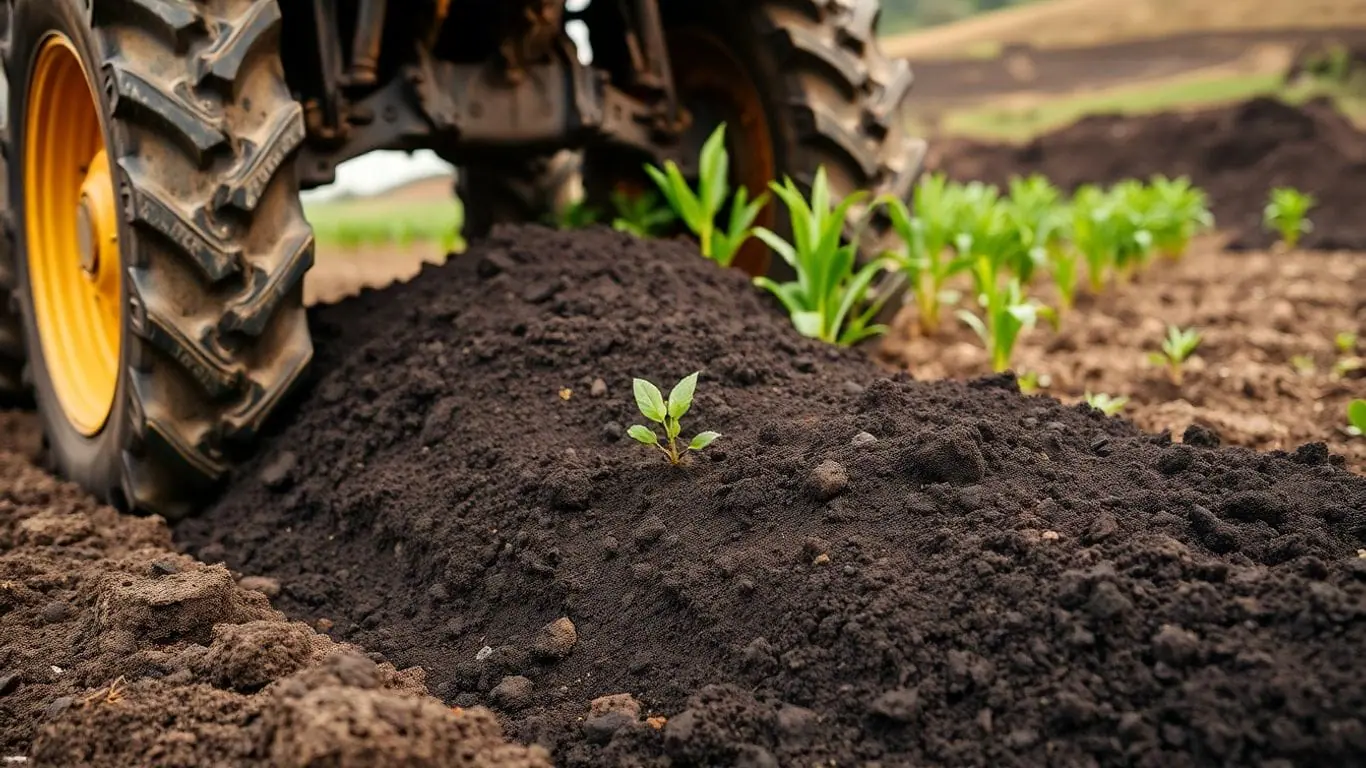
It is basically the process of cleaning up land that’s become contaminated with harmful substances. Think of it like giving the earth a much-needed detox. This contamination can come from all sorts of places old industrial sites, spills, or even just decades of certain farming practices. The goal is to remove or neutralize these harmful substances so the land can be used safely again, whether that’s for building homes, parks, or businesses. It’s about making sure the ground beneath our feet isn’t a hidden danger.
Why Soil Remediation Toronto is Crucial
Toronto, being a major city with a long history, has its share of land that needs a bit of attention. Many areas were once industrial zones, and as the city grows and redevelops, we’re uncovering these legacy issues. Soil remediation Toronto is super important for a few reasons. First off, it protects public health. Nobody wants to live or play on land that could make them sick. Secondly, it allows for new development. Redeveloping brownfield sites that’s land that’s been used before, often industrially is a smart way to grow the city without always needing to expand into green spaces. It’s a way to reuse what we already have. Plus, properly remediated land can actually increase in value, making it a good investment for the future.
Cleaning up contaminated soil isn’t just about fixing a problem; it’s about creating opportunities for healthier communities and smarter urban growth. It’s a key part of making the city a better place to live, now and for generations to come.
Site Assessment and Soil Testing Services Toronto
Before any meaningful remediation can happen, you absolutely need to know what you’re dealing with. This is where soil testing services Toronto come into play. It’s not just about digging up dirt; it’s a detailed process to figure out what’s in the soil and how much of it there is. Think of it like a doctor giving you a check-up before prescribing treatment. For brownfield redevelopment projects, this step is non-negotiable. It helps define the scope of work for contaminated soil cleanup and guides the entire strategy.
Methods of Soil Remediation
There are several ways to tackle soil remediation Toronto, and the best method really depends on the type and level of contamination. Some common approaches include:
- Bioremediation: Using living organisms, like bacteria or fungi, to break down contaminants. It’s like nature’s cleanup crew.
- Chemical Remediation: Employing chemical reactions to change the contaminants into less harmful substances. This can involve oxidation or reduction processes.
- Thermal Remediation: Using heat to destroy or remove contaminants. This is often effective for volatile organic compounds.
- Excavation and Disposal: For heavily contaminated soil, especially with things like heavy metals, digging it up and taking it to a specialized facility for hazardous waste removal might be the most practical solution.
Contaminated Soil Cleanup in Toronto: Step by Step
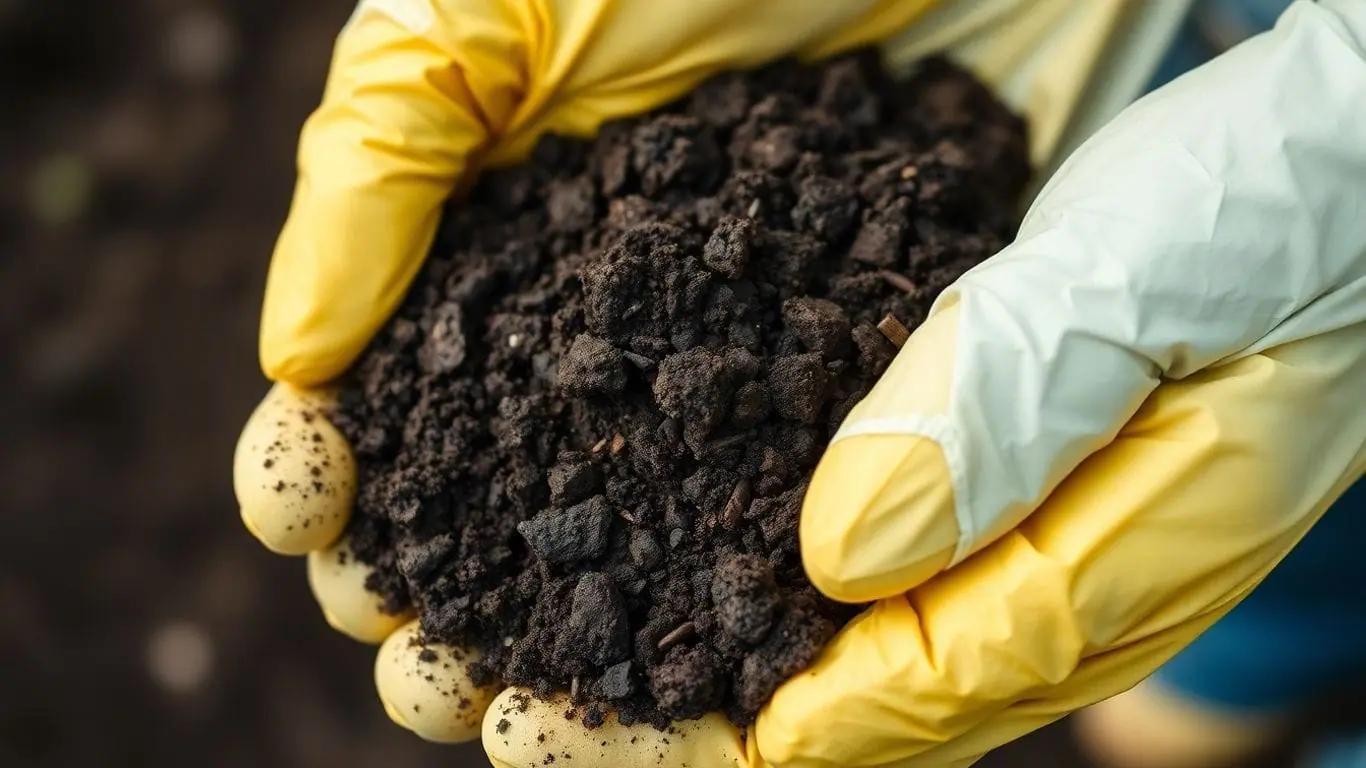
Getting contaminated soil cleanup Toronto follows a pretty standard, albeit detailed, path. It’s a process that requires careful planning and execution.
- Initial Site Assessment: This is the first look. Environmental consulting firms will do a preliminary evaluation to identify potential areas of concern.
- Soil Sampling and Analysis: Samples are collected from various depths and locations across the site. These are sent to a lab for detailed analysis to identify specific contaminants and their concentrations.
- Remediation Plan Development: Based on the lab results, a tailored plan is created. This outlines the chosen remediation methods, the timeline, and the expected outcomes.
- Implementation of Remediation: The actual cleanup work begins, using the methods decided upon in the plan.
- Post-Remediation Monitoring: After the cleanup, further testing is done to confirm that the soil meets regulatory standards and is safe for its intended use.
Benefits of Soil Remediation
Why go through all this trouble? Well, the benefits are pretty significant. Cleaning up contaminated soil isn’t just about meeting regulations; it’s about making land usable again. This opens up opportunities for new developments, improves environmental health, and can even boost property values. It’s a vital part of revitalizing urban areas and promoting sustainable land use. For anyone involved in brownfield redevelopment, this is a major plus.
Partnering with Experts
Dealing with contaminated soil can get complicated fast. That’s why teaming up with experienced professionals is so important. Firms specializing in environmental consulting can guide you through the entire process, from initial soil testing to final site sign-off. They have the knowledge and tools to handle everything from identifying contaminants to managing hazardous waste removal. Finding the right partner can make all the difference in achieving a successful project and ensuring your site is safe and compliant. You can find more information on the city’s requirements for soil management at the City of Toronto soil specifications.
Looking Ahead: A Cleaner City
So, we’ve talked about how the city is tackling contaminated land, turning old industrial sites into places people can actually use again. It’s not just about cleaning up dirt; it’s about making our city healthier and more livable. Companies are using smart methods to remove old tanks, clean up soil, and make sure everything is safe for new buildings, parks, or homes. This work is pretty important for the environment and for the future of our neighborhoods. It shows that with the right approach and the right people, we can really make a difference in how our city looks and feels, creating better spaces for everyone.
Frequently Asked Questions
What exactly is soil remediation?
It is like giving dirty or polluted soil a much needed bath. It’s a process where we clean up land that has been contaminated with harmful substances, making it safe again for people and the environment. Think of it as cleaning up a spill so the area can be used for good things, like parks or homes.
Why is cleaning up soil so important in a city like Toronto?
It is a growing city with lots of development. Sometimes, the land we want to build on might have old pollution from past industries or activities. Cleaning this soil is vital to protect everyone’s health, prevent pollution from spreading, and allow us to build safe and healthy places for families to live and for businesses to thrive.
How do experts figure out if soil is contaminated and how bad it is?
Experts use a few methods to check the soil. They often take samples from different parts of the land and send them to a lab for testing. This helps them identify what’s in the soil and how much of it there is. They also look at the history of the site to understand what might have caused the contamination.
What are some common ways to clean up contaminated soil?
There are several ways to contaminated soil cleanup Toronto, depending on the type of pollution. Some methods involve digging up the soil and treating it elsewhere, like baking it to remove certain chemicals. Other methods can clean the soil right where it is, like using special bacteria to eat up pollutants or injecting cleaning agents into the ground.
What are the main benefits of cleaning up contaminated land?
Cleaning up contaminated land has many benefits! It makes the land safe for people to use, protects our water and air, helps nature recover, and can even make the land more valuable for building new homes or businesses. It’s a win-win for both people and the planet.
Should I hire professionals for remediation projects?
Absolutely! It can be complex and require specialized knowledge and equipment. Hiring experienced professionals ensures the job is done correctly, safely, and in line with all the rules and regulations. They have the expertise to assess the situation and choose the best cleanup method for your specific site.
Serving the Greater Toronto Area