
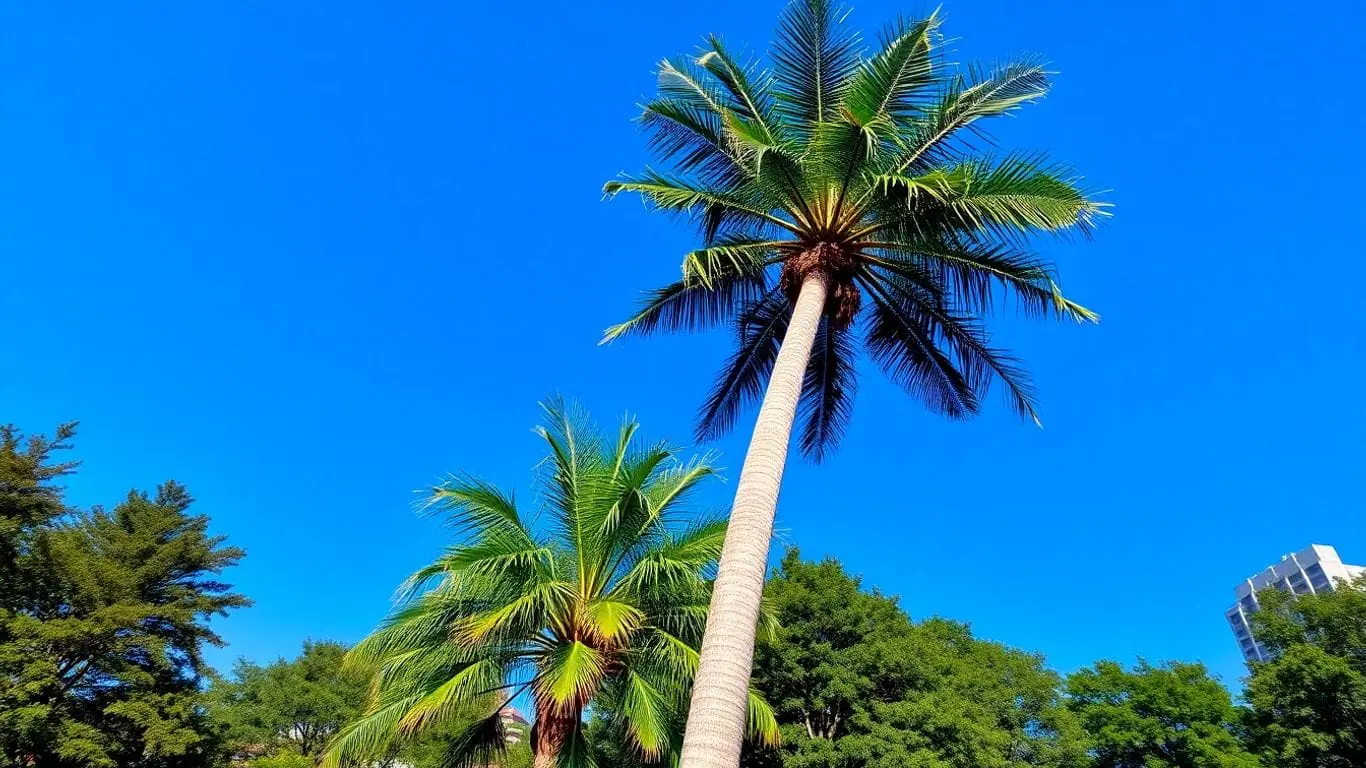
Thinking about adding some tropical flair to your Toronto home or garden? Palm trees might seem like an odd choice for Canada, but with the right kind and care, they can actually thrive. However, bringing these sun loving plants to a colder climate like Toronto comes with its own set of challenges. Let’s talk about what those are and how you can help your palm trees stay healthy and happy, even when the weather gets rough.
Key Takeaways
- Palm trees can grow in Toronto, but they need specific types suited for cooler weather and careful attention.
- Common issues for palm trees in Toronto include damage from cold, wind, and frost, as well as problems with soil, drainage, pests, and diseases.
- Professional care is important for diagnosing issues, using proper winter protection, and setting up correct feeding and watering routines.
- Choosing the right palm species that can handle Toronto’s climate is the first step to success.
- Regular monitoring for pests like spider mites and addressing issues like yellow or brown fronds promptly with the right methods are vital.
Can Palm Trees Actually Grow in Toronto?
So, you’re thinking about adding a touch of the tropics to your Toronto home with a palm tree? It’s a common question, and the short answer is: yes, but with some important considerations. While Toronto isn’t exactly known for its tropical climate, certain palm species can indeed survive and even thrive here, especially when grown indoors or with careful protection outdoors during the warmer months. Heritage Tree Care often gets asked about this, as many homeowners want to bring a unique, tropical feel to their space.
Many people picture towering coconut palms when they think of these plants, but the reality for Toronto is often smaller, more adaptable varieties. These aren’t your typical beach palms; they’re resilient houseplants that can bring a bit of that vacation vibe right into your living room, something Heritage Tree Care helps homeowners select and maintain safely and professionally.
Here’s a quick look at what makes growing palms in our climate a bit different:
- Indoor vs. Outdoor: Most palms in Toronto are best suited for indoor growing. They can be moved outside during the summer, but they need to come back in before the first frost.
- Species Selection: Not all palms are created equal when it comes to cold tolerance. Choosing the right type is half the battle.
- Light Needs: Even indoor palms have specific light requirements, often needing bright, indirect light to really flourish.
It’s definitely possible to enjoy the lush look of palm trees in Ontario’s climate, but it requires understanding their needs and limitations.
Growing palms in a place like Toronto means you’re essentially creating a microclimate for them, whether that’s by bringing them inside for the winter or providing specific care when they’re outdoors. It’s about mimicking their natural environment as much as possible within our own.
Think of it like this: you wouldn’t expect a cactus to love constant rain, and similarly, a palm tree needs a bit of help to feel at home in a place that experiences cold winters. But with the right approach, you can absolutely bring that green, leafy charm into your space.
Palm Trees in Toronto: Common Problems in a Cold Climate
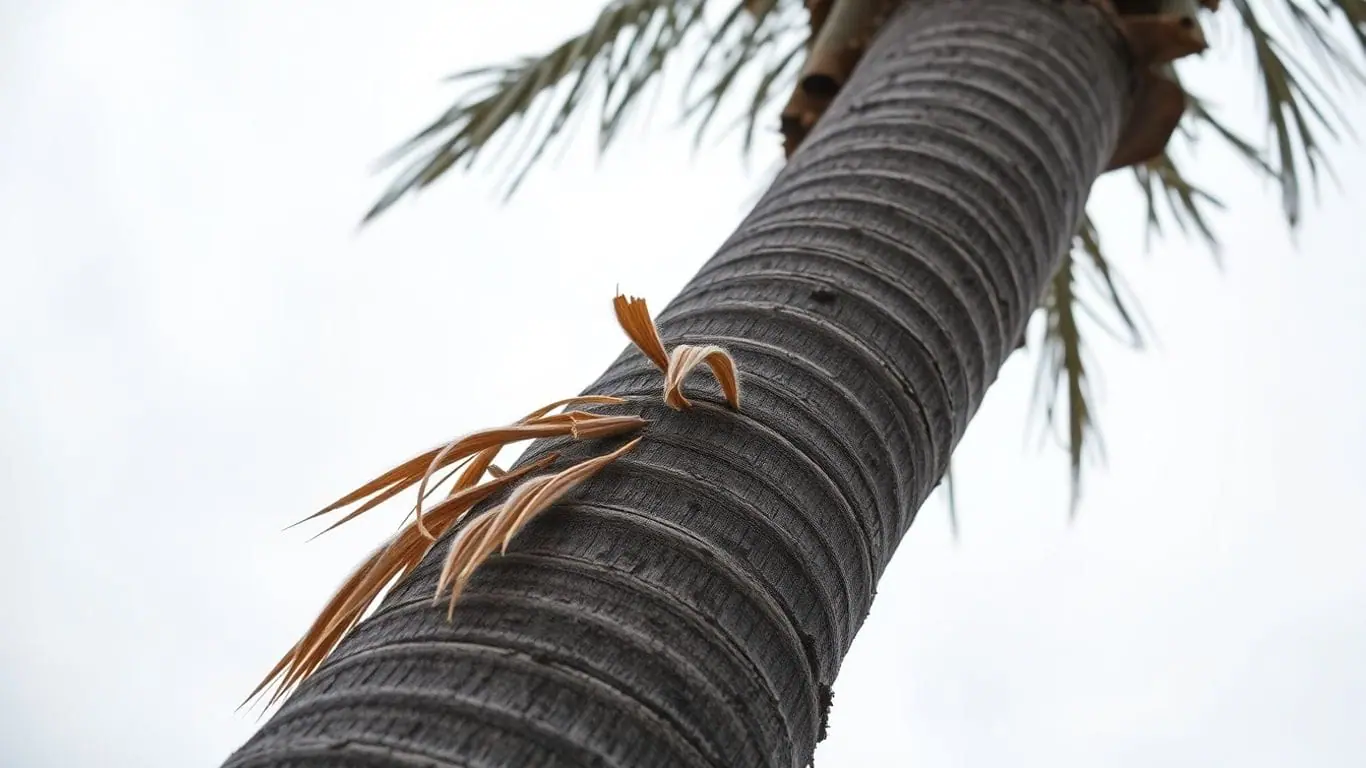
Even though palm trees can look amazing in a Toronto garden, they definitely come with their own set of challenges, especially when the weather turns cold. It’s not exactly the tropics here, so keeping these tropical beauties alive and thriving takes some know how. We’re talking about some serious Toronto gardening challenges here, and figuring out the best ways for keeping palms alive in cold weather is key. And when palms become too damaged or unsafe to save, professional tree removal services may be needed to handle the situation safely.
Cold, Wind Damage and Frostbite
One of the biggest hurdles is, you guessed it, the cold. Toronto winters can be brutal, and palm trees, especially those not native to colder climates, are super sensitive. Frost can damage their fronds, turning them brown and crispy. Strong winter winds can also dry them out and cause physical damage. It’s like they’re getting a constant chill and a beating at the same time.
- Frond Browning: Leaves can turn brown and brittle due to freezing temperatures.
- Stem Damage: The main trunk or stem can suffer from frostbite, weakening the entire plant.
- Dehydration: Cold, dry winds strip moisture from the leaves and stems, even when the ground is frozen and the roots can’t take up water.
Dealing with the cold means more than just bringing them inside. It’s about protecting them from the elements in a way that mimics their natural environment as much as possible, which is tough in our climate.
Soil and Drainage Issues
Palms really don’t like having “wet feet.” This means that if the soil doesn’t drain well, water can sit around the roots, leading to root rot. This is a big problem in Toronto, especially during the spring thaw or after heavy rains. The soil can become waterlogged, suffocating the roots and making the plant sick.
- Root Rot: Caused by overwatering or poor drainage, this is a common killer of palms.
- Nutrient Imbalance: Stagnant, wet soil can also affect how well the palm can absorb nutrients, leading to yellowing leaves.
- Compacted Soil: Toronto soils can sometimes be heavy and compacted, making drainage even harder.
Pest and Disease Infestations
Just like any other plant, palms can fall victim to pests and diseases. In a colder climate, stressed plants are often more susceptible. Things like spider mites, which love dry conditions, can thrive indoors or on plants that are struggling. Fungal diseases can also pop up, especially if conditions are too wet or the plant is already weakened.
- Spider Mites: Tiny pests that suck the life out of leaves, leaving them stippled and weak.
- Fungal Spots: Can appear on fronds, especially in humid or overly wet conditions.
- Root Diseases: Often a secondary problem stemming from poor drainage and stressed roots.
Palm Trees in Toronto: Why Professional Care Is Essential
Okay, so you’ve got a palm tree in Toronto. That’s pretty cool, right? But let’s be real, it’s not exactly the tropics here. These beautiful plants can struggle when the weather turns, and that’s where getting some professional help really makes a difference. Trying to figure out all the ins and outs of keeping an exotic tree happy in a Canadian climate can be a real headache.
Expert Diagnosis and Treatment
Sometimes, your palm might just look a little sad maybe yellowing leaves, or droopy fronds. It’s hard to know exactly what’s going on without a trained eye. Is it a nutrient thing? A watering issue? Or maybe something more serious like a pest or disease? Professionals can actually look at your tree, figure out the root cause, and then give it the right treatment. It’s like going to the doctor when you’re not feeling well; they know what to look for.
Proper Winterization Techniques
This is a big one for Toronto. Keeping your palm tree protected during the cold months is absolutely key to its survival. This isn’t just about throwing a blanket over it. Professional winter care for exotic trees involves specific methods to shield them from frostbite, freezing winds, and drastic temperature changes. They know the best ways to insulate, protect, and prepare your specific palm species for the harsh winter ahead, making sure it comes back strong in the spring.
Tailored Fertilization and Watering Schedules
Palms have specific needs when it comes to food and water, and these needs change with the seasons. What works in the summer might not be right for the fall. Experts can set up a schedule that gives your palm the right nutrients and the right amount of water at the right times. This means no over watering, which can lead to root rot, or under-watering, which stresses the tree. They’ll consider Toronto’s unique weather patterns too.
Proactive Pest and Disease Management
It’s way easier to prevent pests and diseases than to get rid of them once they’ve taken hold. Professionals can spot early signs of trouble that you might miss. They can also recommend or apply treatments to keep your palm healthy and pest free throughout the year. This proactive approach saves your tree a lot of stress and saves you a lot of worry.
Dealing with a struggling palm tree in a climate it’s not naturally suited for can feel overwhelming. Professional arborists bring the knowledge and experience needed to keep these beautiful, non-native plants thriving, especially when it comes to the challenges posed by our local weather and environmental conditions.
Choosing the Right Palm Species for Toronto
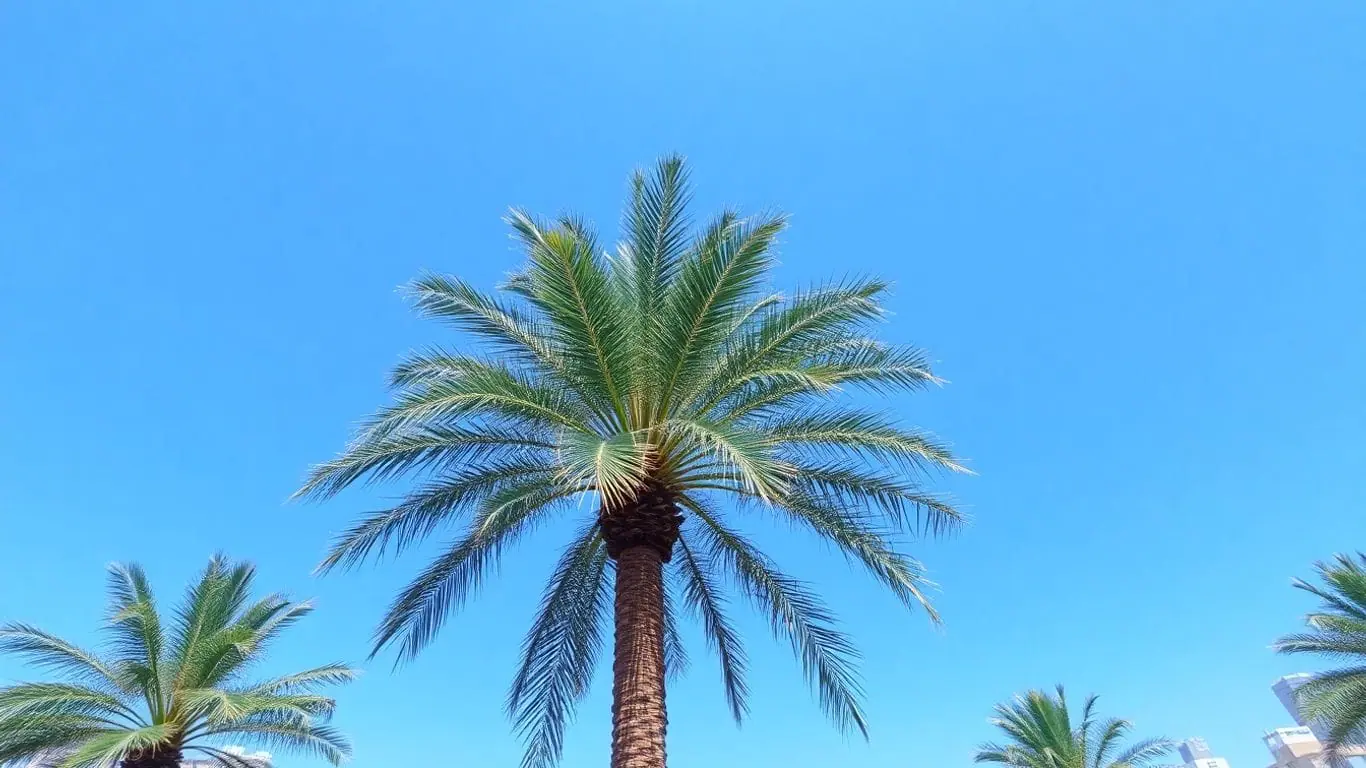
So, you’re thinking about adding a touch of the tropics to your Toronto home? That’s awesome! But not all palm trees are built for our Canadian winters, even if you plan to keep them indoors. The key is picking species that can handle our climate, or at least thrive indoors year round. When we talk about the best palm tree species for Canada, we’re mostly looking at varieties that do well as houseplants, as outdoor palms are a whole different ballgame and usually require significant protection or are treated as annuals.
Here are a few popular choices that tend to do well:
- Parlor Palm (Chamaedorea elegans): This is probably the most common and forgiving palm for indoor growing. It likes medium to low light and doesn’t need a ton of fuss. It’s native to rainforests, so it appreciates humidity, but it’s pretty adaptable.
- Cat Palm (Chamaedorea cataractarum): Another great option that tolerates lower light conditions. It has a fuller, bushier look compared to the Parlor Palm and can grow quite large indoors.
- Areca Palm (Dypsis lutescens): Also known as the Butterfly Palm or Golden Cane Palm, this one is a bit more demanding. It needs bright, indirect light and consistent moisture. It can get quite tall and wide, making a real statement.
- Ponytail Palm (Beaucarnea recurvata): While technically not a true palm, it’s often grouped with them and is super easy to care for. It stores water in its bulbous trunk, making it very drought-tolerant, and it prefers bright light.
It’s really important to match the palm’s needs to your home’s environment.
Think about the light you have available. Some palms can handle dimmer spots, while others will stretch and look sad without plenty of bright, indirect sun. Also, consider how much time you have for care. Some palms are happy with occasional watering, while others need more attention to keep their soil just right.
When selecting your palm, look for healthy foliage and a sturdy trunk. Avoid plants with yellowing leaves or signs of pests, as these issues can be harder to fix once the plant is in your home. Doing a little homework on the specific needs of the species you’re interested in will go a long way in ensuring your new tropical friend thrives in Toronto.
Wrapping It Up
So, while Toronto might not be a tropical paradise, it’s definitely possible to enjoy the beauty of palm trees right here. We’ve talked about how things like watering, light, and even drafts can throw them off. Pests and nutrient issues pop up too, and sometimes it’s hard to tell what’s going on. That’s where getting a pro involved really makes a difference. They’ve got the know-how to spot problems early and fix them before they get out of hand, keeping your palm looking its best. It’s all about giving these tropical beauties the right care to thrive, even when they’re far from home.
Need help with your palm tree? Contact Heritage Tree Care today for expert advice and quick support!
Frequently Asked Questions
Can palm trees really survive in Toronto’s cold weather?
While many palm trees are native to warm places, some types can actually do well in Toronto if given the right care. It’s important to pick species that are known to be a bit tougher and can handle cooler temperatures. With protection during the winter, these palms have a chance to thrive even in a climate like Toronto’s.
What are the most common issues palm trees face in Toronto?
Palm trees in Toronto often struggle with the cold, leading to damage from frost and harsh winds. They can also have problems with the soil not draining well, which can lead to root issues. Pests and diseases are another concern, especially when the trees are stressed by the climate.
Why do palm tree leaves turn yellow or brown?
Yellow leaves can mean you’re watering too much, or the plant might need more potassium. Brown, crispy leaves usually mean the plant isn’t getting enough water, or there’s a buildup of salt in the soil. Sometimes, yellowing leaves at the bottom are just a natural part of the plant’s growth cycle.
How can I protect my palm tree from the cold in winter?
Protecting your palm tree involves several steps. You can wrap the trunk with burlap, cover the fronds with a frost cloth, and make sure to keep it away from cold drafts from windows or doors. Some people even use small heaters or lights to keep the plant warm during very cold nights.
What are spider mites and how do I get rid of them on my palm tree?
Spider mites are tiny bugs that love to feed on palm trees. You might see a sticky residue on the leaves or fine webbing. To get rid of them, you can wash the plant with water and then treat it with a natural spray like neem oil. Making sure the plant has enough humidity also helps keep them away.
When should I call a professional for my palm tree?
You should call a professional if your palm tree has serious pest infestations that you can’t control, or if you suspect a disease like root rot. They are also experts at figuring out why leaves are discolored or why growth has slowed down, and they know the best ways to fix these problems, especially when it comes to winter protection.
Serving the Greater Toronto Area