
Maple trees are a big part of Toronto’s look and feel. They add beauty and help the environment. But sometimes, these trees can get sick or have problems. That’s where experts come in. If you’ve got a maple tree Toronto, knowing when to get a professional check-up is super important for keeping our city green and safe.
Key Takeaways
- Maple trees are important for city’s environment and appearance.
- Look out for signs like dead branches, strange leaf color, or fungal growth that might mean your maple tree needs help.
- Certified arborists are tree doctors who can check your maple tree’s health, find problems, and suggest solutions.
- Getting a professional health assessment can prevent bigger issues and costly repairs down the line for your maple tree.
- Regular check-ups and prompt action by an arborist help keep maple trees healthy and safe for everyone.
Why Maple Trees Matter in Toronto
Maple trees are a big part of city. You see them everywhere, lining streets, in parks, and dotting backyards. They’re not just pretty to look at, though. These trees do a lot for our city.
The Ecological and Aesthetic Value
Think about the shade on a hot summer day, or the vibrant colors in the fall. That’s the maple tree working its magic. They help clean the air we breathe, provide homes for birds and other critters, and manage stormwater runoff, which is super important for keeping our city from flooding. Plus, they just make the place look good. A street lined with healthy maple trees is way nicer than one without, right?
Common Maple Tree Toronto Species
The city is home to a variety of maple species. You’ll often spot the Sugar Maple, famous for its fall colors and, of course, maple syrup. Then there’s the Red Maple, which lives up to its name with brilliant red leaves in autumn. You might also see the Norway Maple, which is quite common in many areas, including places like Queen’s Park North where they make up a good chunk of the trees. Knowing what kind of maple you have can help in understanding its specific needs.
Here are a few common types you’ll likely see around:
- Sugar Maple (Acer saccharum): Known for its stunning fall foliage and historical significance.
- Red Maple (Acer rubrum): Recognizable by its early red flowers and vibrant autumn leaves.
- Norway Maple (Acer platanoides): A hardy species often found in urban settings, though sometimes it can be a bit too successful at spreading.
These trees are more than just scenery; they’re a vital part of green infrastructure. Keeping them healthy means keeping our city healthy. If you’re curious about the specific types of trees in your neighborhood, a certified arborist can help identify them and assess their condition. They have a real knack for understanding the nuances of maple tree Toronto species.
Understanding Maple Tree Health: Signs of Trouble
Sometimes, even the most majestic maple trees can run into problems. It’s not always obvious, but keeping an eye out for certain things can help you catch issues before they get too serious. Think of it like a regular check up for your tree.
Identifying Pests and Diseases Affecting Maple Trees
Maple trees can be targets for various pests and diseases. You might notice things like unusual spots on the leaves, wilting, or even sticky residue. Some common culprits include:
- Aphids: Tiny insects that cluster on new growth, often causing leaves to curl and turn yellow. They also produce a sticky “honeydew” that can lead to sooty mold.
- Scale Insects: Small, immobile insects that attach themselves to branches and trunks, sucking sap and weakening the tree.
- Verticillium Wilt: A fungal disease that can cause wilting, yellowing leaves, and dieback of branches. It’s tough to spot until the damage is done.
- Tar Spot: A fungal disease that causes black, tar-like spots on maple leaves. While it looks bad, it usually doesn’t seriously harm the tree.
Catching these early is key to effective maple tree disease diagnosis.
Recognizing Structural Weaknesses and Hazards
Beyond pests and diseases, a maple tree’s structure can also become a concern. This is where a good maple tree condition report comes in handy. Look for:
- Cracks or Splits: Especially in the trunk or where major branches meet the trunk. These can be signs of weakness that could lead to a break.
- Leaning: A tree that suddenly starts leaning, or has been leaning for a while, might have root problems or instability.
- Dead or Dying Branches: Branches that have no leaves during the growing season, are brittle, or have peeling bark are often dead and can fall.
- Fungal Growth: Mushrooms or conks growing on the trunk or at the base of the tree often indicate internal decay.
Paying attention to these visual cues is part of basic maple tree health checks. If you see any of these signs, it’s a good idea to get a professional opinion. They can assess the risk and tell you what, if anything, needs to be done to keep your tree and your property safe.
The Role of Certified Arborists in Maple Tree Care
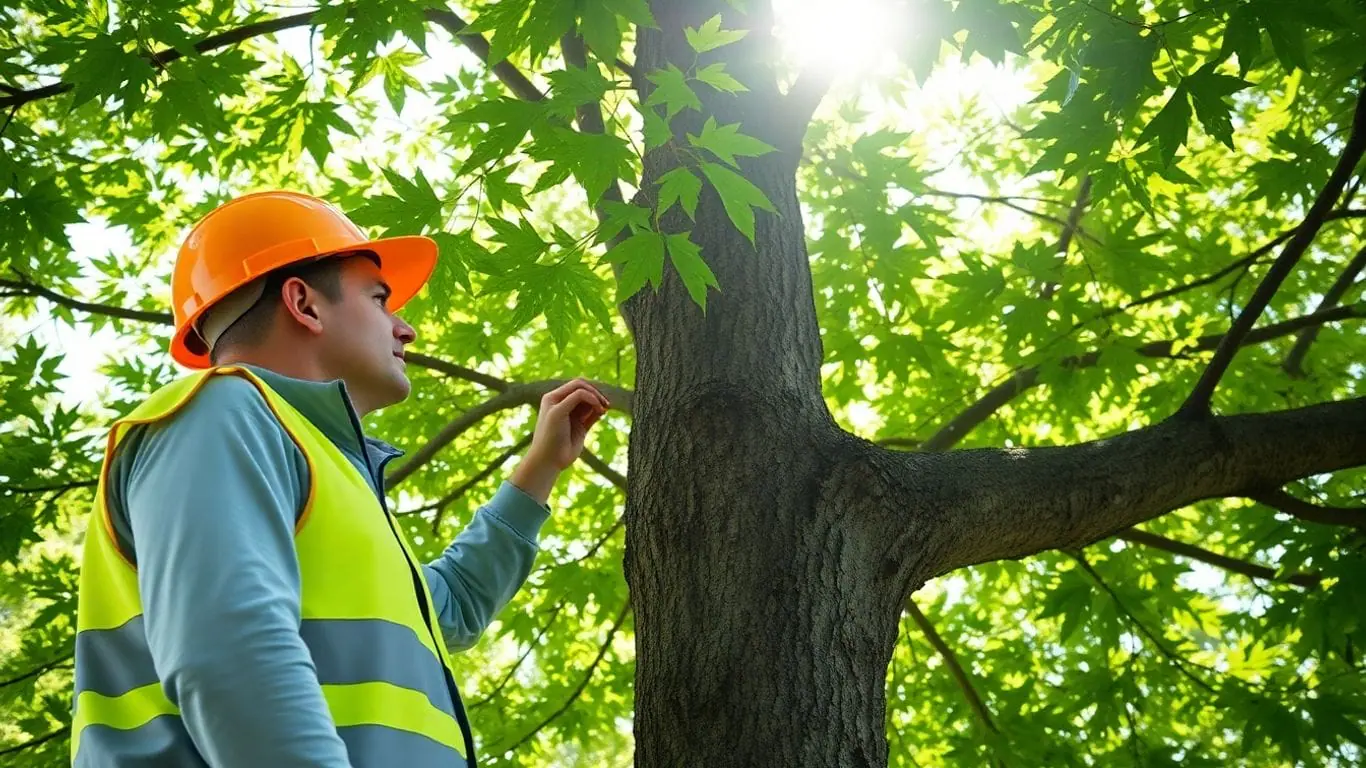
When it comes to keeping maple trees healthy and strong, certified arborists are the go-to professionals. They’re not just tree cutters; they’re trained experts who understand the intricate needs of trees, especially our beloved maples. Think of them as doctors for your trees. They can spot problems you might miss, like early signs of disease or insect infestations, long before they become major issues. This kind of proactive tree care for maples is super important for keeping our urban forest looking good and staying safe.
What a Certified Arborist Does: A Comprehensive Assessment
A certified arborist performs a detailed check up on your maple tree Toronto. This isn’t just a quick glance. They look at everything from the roots to the leaves.
Here’s a breakdown of what they typically do:
- Visual Inspection: They’ll walk around the tree, looking for any obvious signs of trouble like cracks in the bark, dead branches, or unusual growths.
- Pest and Disease Identification: They know the common pests and diseases that affect maple trees in our area and can identify them by their symptoms.
- Structural Evaluation: They assess the tree’s overall structure, checking for weak limbs, leaning, or any potential hazards that could cause damage during storms.
- Soil and Root Analysis: Sometimes, problems start underground. Arborists can check the soil conditions and look at the root collar to make sure everything is healthy below the surface.
This thorough examination helps paint a clear picture of the tree’s current condition and any potential risks it might pose.
Benefits of Professional Maple Tree Health Assessments
Getting a professional risk assessment from a certified arborist offers a lot of advantages. For starters, it can save you money in the long run. Catching a problem early often means a simpler, less expensive fix compared to dealing with a tree that’s severely damaged or dying. Plus, it helps prevent dangerous situations. A tree with a weak branch might seem fine now, but it could become a serious hazard during high winds. Arborists can identify these risks and recommend the best course of action, whether that’s pruning, treatment, or, in some cases, removal. They also have the right equipment and knowledge to handle complex tree issues safely and effectively. If you’re dealing with a tree that looks a bit off, or even if it seems perfectly fine, a professional check-up is a smart move for peace of mind and the long-term health of your tree.
Here’s a quick look at why these assessments are so beneficial:
- Early Problem Detection: Identifies issues before they become severe.
- Risk Mitigation: Reduces the chance of property damage or injury from falling trees or branches.
- Improved Tree Health: Leads to targeted treatments that promote vigor and longevity.
- Cost Savings: Prevents expensive emergency tree removals or repairs down the line.
When to Call a Certified Arborists for Your Maple Tree
So, you’ve got a maple tree in your yard. Pretty great, right? They look nice, give us shade, and are a big part of what makes this city green. But sometimes, even these tough trees need a little help. It’s easy to think, “Oh, it’s just a tree, it’ll be fine.” But when it comes to your maple, especially with city’s wild weather swings, knowing when to get a professional involved is super important. It’s not just about looks; it’s about safety too.
Signs Your Maple Tree Might Need an Arborist’s Attention
Sometimes, trees give us clues that they’re not doing so well. You just have to know what to look for. Don’t wait until a problem becomes a crisis. Keep an eye out for these common red flags:
- Visible Pests or Disease: Are there unusual spots on the leaves? Are insects crawling all over the bark? You might see things like tar spots, powdery mildew, or even signs of borers.
- Dead or Dying Branches: Look for branches that have no leaves during the growing season, or branches that snap off easily. Sometimes, the bark might be peeling off in large sections.
- Unusual Leaf Changes: If your maple’s leaves are turning yellow or brown way too early, or if the foliage looks sparse and thin, something’s likely up.
- Cracks or Cavities in the Trunk or Branches: These are often signs of decay or structural weakness. You might even see mushrooms growing on the trunk or at the base of the tree, which can indicate rot.
- Leaning or Root Issues: If the tree suddenly starts leaning, or if you see soil heaving or cracking around the base, it could be a serious stability problem. This is especially concerning after heavy rain or wind.
Ignoring these signs can turn a manageable issue into a dangerous situation. A tree that looks a bit sad might actually be a hazard waiting to fall, especially during a windy night. Getting a professional opinion early on is always the smarter move for your property and your peace of mind.
Proactive Care vs. Reactive Solutions
Think of it like going to the doctor for a check-up versus waiting until you’re really sick. Proactive care means getting a certified arborist to look at your maple tree regularly, even if it seems perfectly healthy. They can spot tiny issues like early signs of disease or a branch that’s starting to weaken long before you’d ever notice them. This kind of regular check up can prevent big, expensive problems down the road. Reactive solutions, on the other hand, happen when something’s already wrong. Maybe a storm broke a big branch, or you notice your tree is suddenly leaning. While an arborist can definitely help in these situations, it’s often more costly and the tree might not recover as well.
Here’s a quick rundown of when to lean towards proactive care:
- Young Trees (under 10 years old): They’re still growing and establishing their structure. Regular checks help ensure they grow strong and healthy.
- Mature Trees (over 20 years old): These giants have seen a lot. They might have hidden issues like decay or pest infestations that need professional eyes.
- After Major Weather Events: Big storms, heavy snow, or even prolonged droughts can stress your tree. An arborist can assess any damage and recommend the best course of action.
- Trees Near Structures or Play Areas: If your maple is close to your house, a fence, or where kids play, it’s wise to be extra cautious about its health and stability.
Conclusion
So, when it comes down to it, keeping an eye on your maple tree Toronto is pretty important. These certified arborists really know their stuff, from spotting early signs of trouble to making sure your trees are safe and healthy for years to come. Don’t wait until there’s a big problem; getting a professional check up is a smart move for your trees and your property. Think of it as a regular doctor’s visit, but for your trees. It’s worth the peace of mind.
Frequently Asked Questions
What exactly does an arborist do?
Think of an arborist as a doctor for trees. They are experts who know all about trees how to keep them healthy, how to fix them when they’re sick, and how to make sure they’re safe. They can check your trees, trim them, treat diseases, and even remove them if they’re dangerous.
How often should I get my maple tree checked by an arborist?
It’s a good idea to have your trees looked at regularly. For younger trees, an annual check up is best. For older, more established trees, every 3 to 5 years is usually enough, unless there’s been a big storm or you notice something worrying.
Can an arborist really save a sick maple tree?
Often, yes! If the problem is caught early, an arborist has a good chance of helping a sick tree get better. They can figure out what’s wrong, like a disease or bugs, and then use special treatments or pruning to help the tree recover. It really depends on how bad the sickness is and how healthy the tree was to begin with.
What are the dangers of not taking care of my maple tree?
Ignoring tree problems can lead to big issues. A sick or weak tree could drop branches, or even fall over, potentially damaging your house, car, or even hurting someone. It can also make the problem spread to other trees and cost a lot more to fix later on.
Why is it better to hire a local arborist in Toronto?
Local arborists know Toronto’s trees really well the types that grow here, the common problems they face, and even the city’s rules about trees. They can also get to your place faster if there’s an emergency, like after a bad storm.
What signs should make me worried about my maple tree’s health?
Keep an eye out for things like leaves changing color too early or falling off, branches that look dead and brittle, or even mushrooms growing on the trunk or roots. If the tree starts leaning suddenly or you see cracks in the bark, it’s definitely time to call for help.
Serving the Greater Toronto Area