
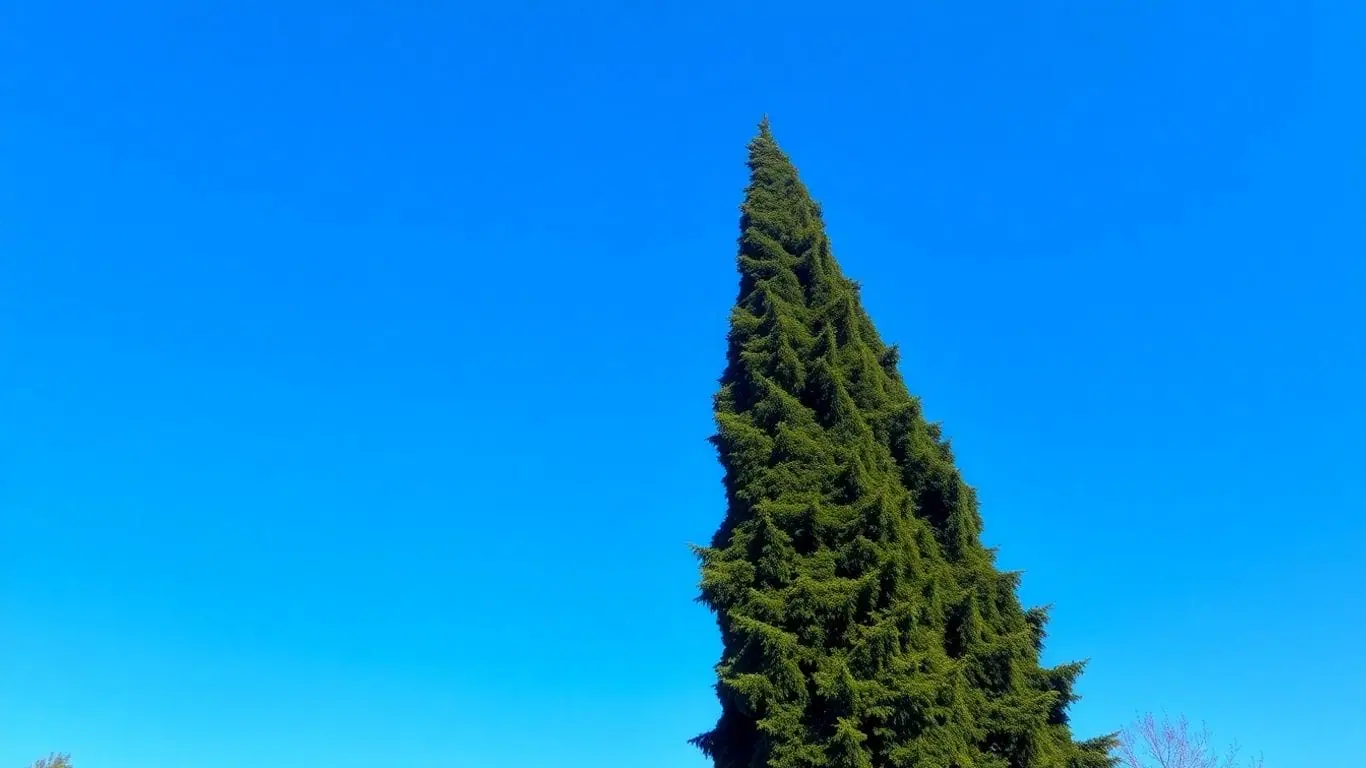
Thinking about adding some greenery to your home or garden? Cypress tree Toronto might be just the thing. These evergreens are pretty popular around here, and for good reason. They look great, offer privacy, and can even help the environment a bit. We’ll walk through why they’re a good choice for our city, what kinds work best, how to use them in your yard, and what you need to do to keep them looking good.
Key Takeaways
- Cypress trees are a solid choice for landscapes, offering good looks and practical benefits.
- They can make your yard look nicer, provide privacy, and act as windbreaks.
- Leyland Cypress and Italian Cypress are common types that do well in our climate.
- When planting, pick a sunny spot with soil that drains well, and water regularly, especially when the tree is young.
- Keep an eye out for pests and diseases, and prune only when needed to shape the tree or remove dead branches.
Introduction to Cypress Trees in Toronto
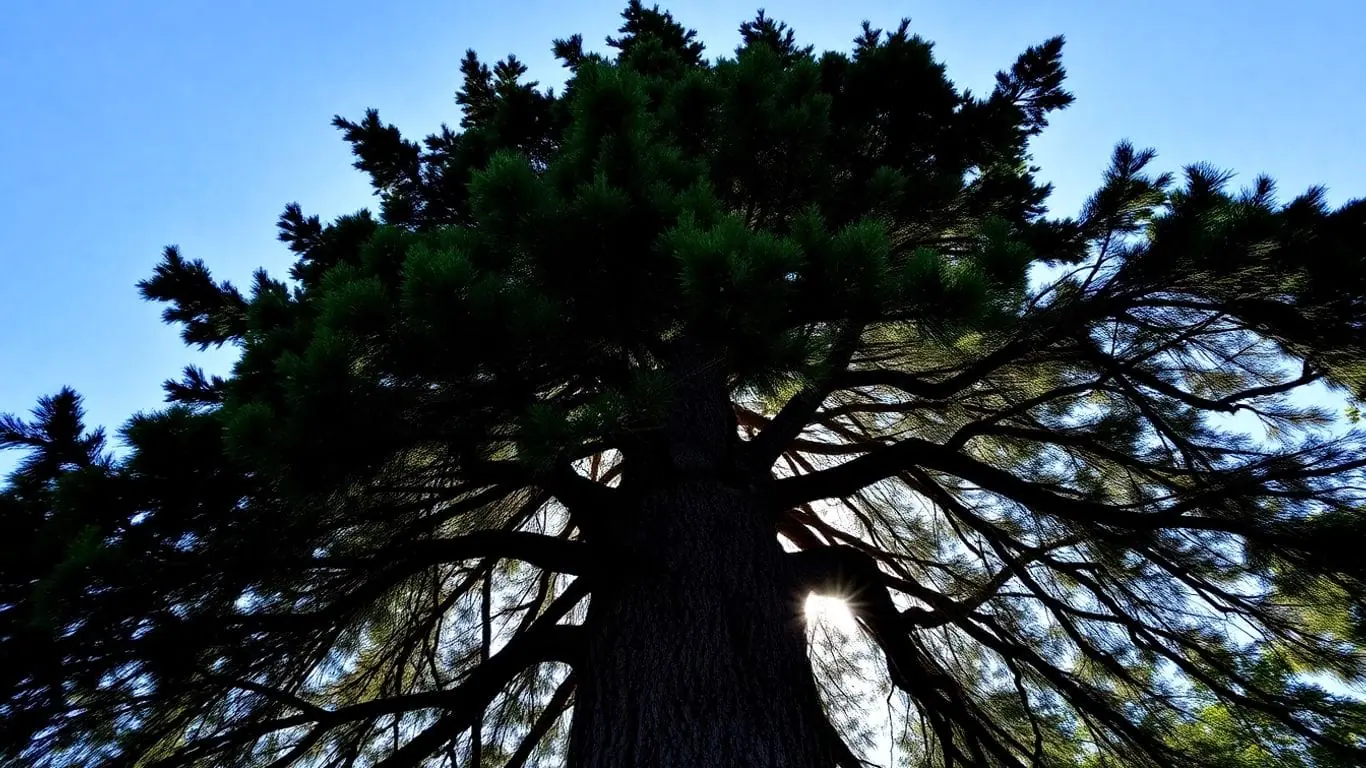
When you think about adding some greenery to your landscape, a cypress tree might not be the first thing that pops into your head. But honestly, they’re a pretty solid choice for our climate. These evergreens can bring a lot to the table, from looking good year-round to offering some practical benefits.
These trees are a versatile addition to any garden, offering both beauty and function. They come in a surprising variety of shapes and sizes, meaning there’s likely a cypress that can fit just about anywhere, whether you’ve got a sprawling backyard or a cozy urban lot. They’re known for their resilience, which is a big plus given the ups and downs of Toronto weather.
Here’s a quick look at why you might want to consider a cypress tree Toronto:
- Year-round appeal: Most cypress varieties stay green all winter, providing a nice bit of color when everything else is bare.
- Adaptability: They can handle a range of soil types and conditions, though they generally prefer good drainage.
- Growth habits: From tall, slender forms to more spreading types, you can find one that suits your space and design goals.
It’s worth noting that while many cypress trees are tough, picking the right variety for your specific spot is key. Some do better in wetter areas, while others prefer drier conditions. Doing a little homework upfront will save you headaches later on.
So, if you’re looking to add a bit of structure, privacy, or just some nice evergreen texture to your property, the cypress tree is definitely worth a closer look.
Benefits of Planting Cypress Trees Toronto
When you’re thinking about planting cypress trees Toronto, there are quite a few good reasons to consider them. They’re not just pretty to look at; they actually do some useful work in your yard and the local environment.
Aesthetic Appeal and Landscaping
They bring a certain elegance to any landscape. Their tall, often slender, and sometimes pyramidal shapes can add vertical interest, breaking up flat horizons. Many varieties stay green all year, providing color and structure even in the dead of winter. This makes them a fantastic choice for creating a more dynamic and visually appealing garden space. Their evergreen nature means your landscape looks good no matter the season.
Environmental Advantages
Beyond looks, planting cypress trees offers environmental pluses. Like other trees, they help clean the air by absorbing carbon dioxide and releasing oxygen. Their dense foliage can also help reduce noise pollution, creating a more peaceful atmosphere. They provide habitat and food for local wildlife, too, which is always a nice bonus.
Privacy and Windbreaks
If you’re looking for a natural way to create privacy or shield your property from harsh winds, they are a solid option. Varieties like the Leyland Cypress grow quickly and form dense screens, blocking views and muffling sounds. They can also act as effective windbreaks, protecting your home and garden from strong gusts, which can be a real help during the blustery days. This can even help reduce heating costs in the winter by blocking cold winds from your house.
Best Cypress Varieties for Canadian Zones
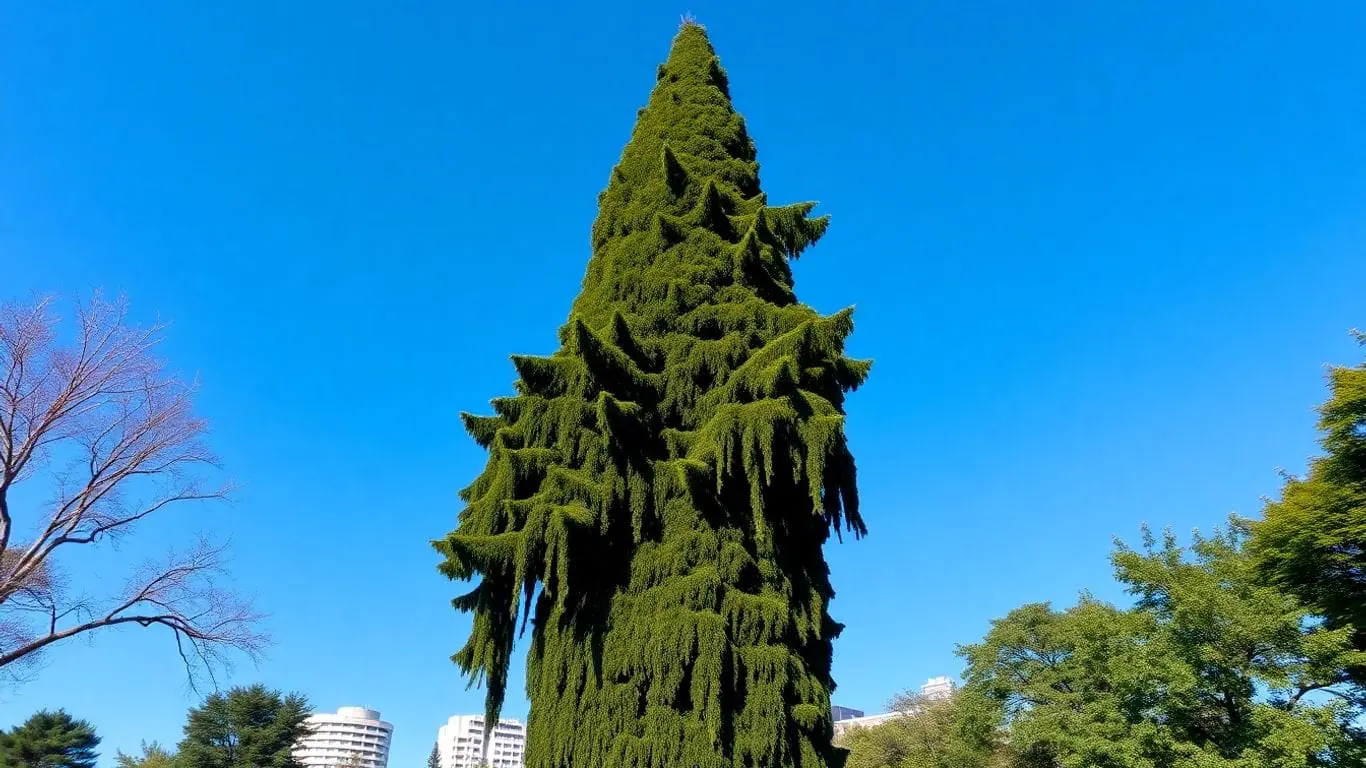
When you’re thinking about adding a cypress tree Toronto to your landscape, picking the right kind is pretty important. Not all trees are created equal, and some just won’t do well in our Canadian zones. Luckily, there are a few standouts that tend to be the best cypress varieties for Canadian zones, offering beauty and function.
Leyland Cypress
The Leyland Cypress (x Cupressocyparis leylandii) is probably the most popular out there for landscaping, and for good reason. It grows super fast, often adding 3 to 4 feet in height each year. This makes it a fantastic choice if you’re looking for a quick privacy screen or a windbreak. Its foliage is dense and stays green all year round, giving you that much-needed screening effect without much waiting. They’re pretty adaptable too, handling a range of soil types, which is always a plus when you’re not entirely sure about your yard’s conditions.
Italian Cypress
If you’re after a more formal, stately look, the Italian Cypress (Cupressus sempervirens) might be what you’re after. These trees are known for their tall, slender, columnar shape. They have a striking, upright presence that can really define a space. Native to the Mediterranean, they do best in full sun and well-drained soil. While they are quite drought tolerant once established, they might need a bit more protection in colder winters compared to some other varieties. Their dense, dark green foliage is a real showstopper.
Other Suitable Varieties
While Leyland and Italian Cypress are common, it’s worth looking into others. The Bald Cypress (Taxodium distichum) is a unique option. It’s a deciduous conifer, meaning it loses its needles in the fall, but not before putting on a beautiful russet red display. It’s also known for its ability to handle wet conditions, which can be a benefit in certain areas. It has a more feathery appearance and can develop a buttressed trunk over time, giving it a picturesque look. It’s a hardy tree, suitable for zones 5-11, making it a good fit for our climate.
Here’s a quick look at some key features:
- Leyland Cypress: Fast growth, excellent for privacy, adaptable.
- Italian Cypress: Tall, narrow form, formal appearance, needs good drainage.
- Bald Cypress: Deciduous conifer, tolerates wet soil, unique look.
Choosing the right variety is key to a successful planting. Consider your space, the look you want, and how much maintenance you’re willing to do. For many citizens, the Leyland Cypress is a go-to for its speed and privacy benefits, but don’t overlook the unique charm of the Bald Cypress or the elegant stature of the Italian Cypress, keeping in mind their specific needs for successful growth.
Uses of Cypress Trees in Landscapes
Cypress tree Toronto are more than just pretty additions to your yard; they serve some really practical purposes. For starters, they’re fantastic for creating natural barriers. Think about using them as a privacy screen along your property line. They grow dense and tall, especially varieties like the Leyland Cypress, which is a popular choice for a reason. It grows fast and gives you that much-needed seclusion without a fuss.
Beyond just privacy, they’re also great for blocking out wind. If you’ve got a spot in your garden that’s always getting battered by gusts, planting a row of cypress trees can really make a difference. This windbreak not only protects your other plants but can also make your outdoor living spaces more comfortable. It’s like having a natural shield for your garden.
Here are a few ways cypress trees are put to work:
- Privacy Screens: Dense varieties create effective visual barriers.
- Windbreaks: They can significantly reduce wind speed in an area.
- Erosion Control: Their root systems help stabilize soil, especially on slopes or near water.
- Noise Reduction: The dense foliage can help muffle some ambient noise.
- Habitat for Wildlife: Birds and other small creatures often find shelter in their branches.
Cypress trees can also play a role in improving the soil around them. As they grow and shed needles, these organic materials break down, adding nutrients back into the ground. This is particularly helpful in urban areas where soil quality might be a concern, and it can reduce the need for extensive soil remediation efforts.
And let’s not forget their aesthetic value. They add a touch of elegance and structure to any landscape. Whether you’re looking for a tall, stately specimen or a more compact shrub, there’s a cypress variety that can fit the bill. They provide year-round greenery, which is a big plus during long winters. If you’re thinking about adding a cypress, checking out different tree varieties can help you pick the best one for your needs.
Tips for Cypress Tree Maintenance Toronto Climate
Taking care of your cypress trees is pretty straightforward, but a little attention goes a long way. Regular checks and proper watering are key to keeping them healthy and looking good.
When it comes to watering, think about consistency, especially for younger trees. They need a good drink when the top few inches of soil feel dry. Established trees are tougher and can handle dry spells, but a deep watering now and then during hot, dry periods won’t hurt. Just make sure the soil drains well; these trees really don’t like sitting in soggy ground, which can lead to root problems.
Feeding isn’t usually a big deal for mature trees. If you planted yours recently, a balanced, slow-release fertilizer in the spring for the first few years is a good idea. After that, they’re pretty self-sufficient. Avoid fertilizing in the dead of winter when growth slows down.
Pruning is mostly about tidying up. You’ll want to trim off any dead or damaged branches whenever you spot them. If you’re looking to shape the tree or encourage denser growth, late winter or early spring is generally the best time to do it. Don’t go overboard, though; most cypress trees don’t need heavy pruning.
Keep an eye out for common pests like aphids or bagworms. Catching them early makes them much easier to deal with. Good air circulation around the tree also helps prevent fungal issues.
A layer of mulch around the base of your cypress tree is a simple but effective way to keep the soil’s moisture level steady, regulate its temperature, and keep weeds from taking over. Just make sure to keep the mulch a little away from the trunk itself.
Conclusion
So, there you have it. Cypress trees, whether you’re looking at them for that privacy screen, a bit of garden structure, or just because you like the look, can really add something special to your yard. They’re not super fussy, which is good news for most of us, but like anything, they do need a little attention to really do their best. Picking the right spot, giving them a drink when they’re thirsty, and keeping an eye out for any unwelcome visitors will go a long way. Whether you choose a fast-growing Leyland for quick cover or a more unique variety, these evergreens offer year-round appeal and can be a fantastic addition to your outdoor space. Just remember to give them a bit of care, and they’ll likely reward you for years to come.
Frequently Asked Questions
What makes cypress trees special?
They are cool because they stay green all year! They often have a tall, pointy shape and can live for a very long time. Many kinds can handle different weather, from soggy ground to dry spots, making them tough and adaptable for the city’s climate.
Are cypress trees good for privacy?
Yes, definitely! Trees like the Leyland Cypress grow fast and have thick, bushy leaves that create a great natural fence. They’re perfect for blocking views and making your yard feel more private, or even for blocking strong winds.
What kind of cypress trees grow well in Toronto?
The Leyland Cypress is super popular because it grows quickly and looks good. The Italian Cypress is another choice if you want something tall and slim. There are other types too, but it’s best to pick one that’s known to do well in our Canadian climate.
How do I take care of a cypress tree?
Give them plenty of sun and make sure the soil drains well so their roots don’t get waterlogged. Water them regularly, especially when they’re young or during dry spells. You don’t need to do much pruning, just trim off dead branches. Keep an eye out for bugs or diseases, but they’re usually pretty hardy.
When is the best time to plant a cypress tree?
The best times to plant are in the fall or early spring. This gives the tree a chance to get settled before the really hot summer days or the freezing winter cold. Make sure to dig a hole that’s twice as wide as the root ball.
Can cypress trees handle Canadian winters?
Most cypress trees suitable for Canada, like the Leyland Cypress, are quite hardy and can survive our winters. However, young trees might need a little extra protection from extreme cold or harsh winds. Choosing the right variety for your specific location is key.
Serving the Greater Toronto Area