
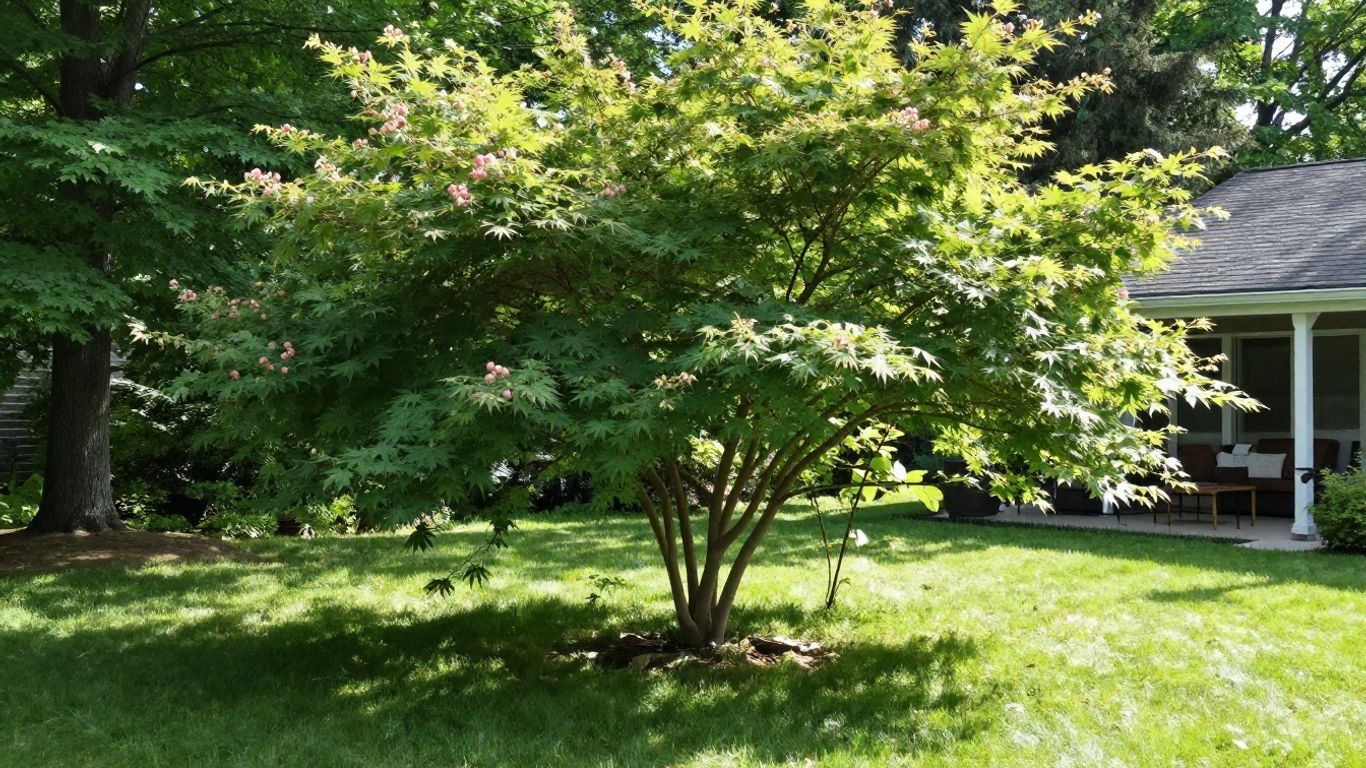
So, you’ve got a small yard and you’re looking for some trees to give you a bit of privacy? It can be tricky figuring out what works best, especially with our climate. You want something that grows reasonably fast, looks good, and doesn’t take over the whole yard. This article is all about finding those perfect, not-too-big trees that can make your backyard feel like your own private escape. We’ll cover some of the top picks for the best small trees for backyard Ontario, focusing on options that give you privacy without becoming giants.
What Makes a Tree Ideal for Small Backyards in Ontario
Picking the best small trees for backyard Ontario can be a bit of a process, especially with the local climate. You want trees that look good, grow fast enough for privacy, and actually fit the space not those giants that swallow your yard after a decade.
Here’s what to look for in the best trees for small backyard:
- Mature Size: Check how tall and wide the tree gets when fully grown don’t just trust the nursery tag. Some trees called “small” can still get too big over the years.
- Growth Rate: Fast-growing options mean you won’t wait ages for privacy, but be careful super-fast trees sometimes have weaker wood or aggressive roots.
- Root System: Compact or non-invasive roots are important so you don’t end up with cracked walkways or foundation trouble.
- Year-Round Interest: If you can, choose trees with something to enjoy in each season (flowers, nice bark, berries, or colorful leaves).
- Hardiness: Trees need to survive southern Canada’s cold winters and humid summers. Hybrid varieties or native trees often do best.
Here’s a short comparison you might find handy:
| Feature | Why it Matters |
|---|---|
| Mature Size | Fits your yard without crowding or overhanging things |
| Growth Rate | Delivers privacy sooner, less waiting |
| Root System | Avoids damage to patios, fences, or foundations |
| Seasonal Appeal | Keeps your yard attractive all year |
| Hardiness | Handles Ontario’s unique weather swings |
Choosing wisely means less pruning, fewer regrets, and a yard you actually use instead of dodge. Think about how much space you truly have, and always plan for the tree’s full grown size, not just that cute sapling.
If you want to get trees off to the right start, proper planting technique is key making sure things like the root flare sit at ground level is one pro tip for long-term tree health.
Best Small Trees for Backyard Ontario (Fast Growing Privacy Options)
Small trees are a game changer for backyards when you want a bit more privacy but have limited space. Choosing the right fast growing tree can spare you years of waiting around for coverage. Here’s a rundown of some strong contenders tailored to Ontario’s climate.
Emerald Cedar (Arborvitae)
- One of the most reliable privacy trees for tight spaces.
- Grows in a tall, narrow shape, so it won’t hog the yard.
- Doesn’t shed needles, so cleanup is low.
- Growth Rate: About 1–2 feet per year, reaching up to 15 feet in 10 years.
| Feature | Detail |
|---|---|
| Growth Rate | 1–2 feet/year |
| Mature Height | 15–20 feet |
| Sun Exposure | Full sun/partial shade |
If you want a lush green wall and don’t want to wait a decade, Emerald Cedars are hard to beat in southern urban settings.
Eastern White Cedar
- Native to Ontario, these are hearty and resist winter burn.
- Versatile: can be clipped into hedges or left shaggy.
- Handles clay and poor soil better than many options.
Tips for planting:
- Plant at least 2–3 feet apart if using as a hedge.
- Water regularly for the first two years.
- Prune in late spring for dense growth.
Amur Maple (Compact & Decorative)
- Pops with bright red foliage in the fall.
- Tolerates a variety of soils, including alkaline or slightly dry spots.
- Tends to max out around 15–20 feet tall, making maintenance easier for anyone not keen on ladders.
Eastern Redbud
- Show-stopper in spring thanks to its pink-purple blossoms.
- Grows fairly quickly for a small flowering tree expect to reach around 20 feet tall.
- Works well grouped in a row for a semi-private screen with the added bonus of color.
Why people like it:
- Spring flowers attract bees and butterflies.
- Heart-shaped leaves provide a unique texture and shade.
Columnar Spruce or Narrow Evergreens
- Nearly as tall as Emerald Cedar, but with a tighter shape for really narrow spots.
- Columnar Blue Spruce and “Skyrocket” Juniper are examples.
- Evergreen, so privacy sticks around all year not just summer.
Serviceberry (Multi-Season Appeal)
- Blooms white in spring, edible berries in early summer, fiery color in fall.
- Slightly more “naturalized” look, pairs well next to fences or in mixed-shrub privacy edges.
- Tops out around 18–20 feet.
Key advantages:
- Attracts songbirds
- No fuss over soil as long as it drains
- Four-season visual interest
Planting a blend, such as cedars for the backbone and serviceberries or redbuds for color, can give your yard privacy and more curb appeal without feeling boxed in.
If backing onto a busy street or just want to keep things peaceful, these trees will give you a little sanctuary without outgrowing their welcome.
Fast-Growing Trees for Privacy in Ontario (If You Want Results Quickly)
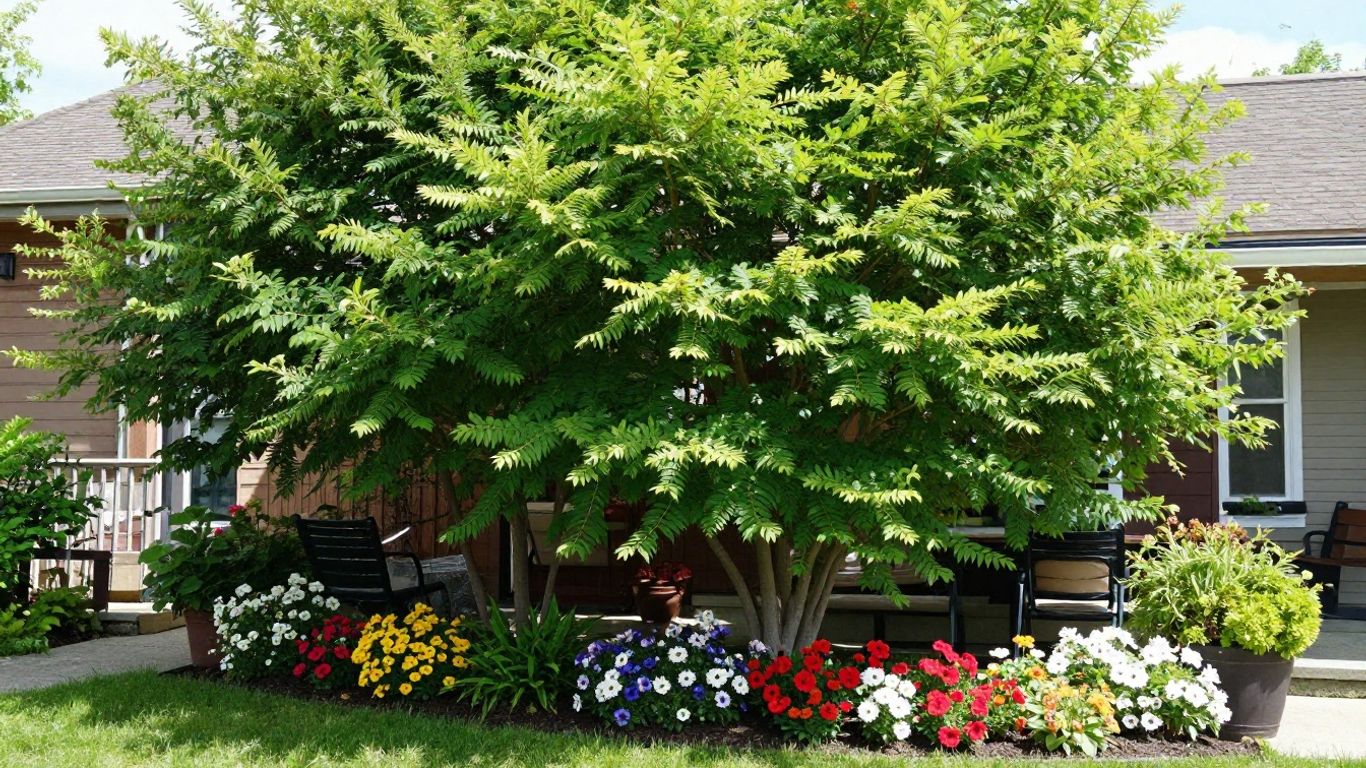
Sometimes, you just want that privacy screen now. Waiting years for a dense hedge to fill in can feel like an eternity, especially when your neighbours have a clear view of your patio. Luckily, city’s climate supports several tree species that grow at a good clip, helping you achieve that secluded backyard feel much faster. These aren’t the slow-and-steady types; we’re talking about trees that put on noticeable growth each year.
When speed is the name of the game, evergreens often take the lead. They provide that year-round green barrier that many homeowners crave. Think about species that naturally grow upright and dense. While some deciduous trees can fill in nicely, they lose their leaves in winter, leaving you exposed. For immediate impact and sustained privacy, focusing on fast-growing conifers is usually your best bet.
Here are a few top contenders that really pack on the growth:
- Hybrid Poplar: These are the speed demons of the tree world. They can shoot up several feet in a single season, making them ideal if you need a tall screen in a hurry. They’re quite adaptable and can handle a range of conditions, though they do need space to grow.
- Eastern White Pine: A native beauty, the Eastern White Pine grows relatively quickly and develops a full, dense form. Its soft needles give it a less formal look than some spruces, and it’s incredibly hardy for city’s winters.
- River Birch: If you prefer a deciduous option with a bit more character, the River Birch is a great choice. It grows fast and has attractive peeling bark, adding visual interest. While it loses its leaves, its dense summer foliage offers good privacy during the warmer months.
Choosing a fast growing tree means you’re investing in quicker results, but it’s also important to remember that ‘fast’ doesn’t mean ‘maintenance free.’ These trees often require more attention in their early years to establish strong structures and can sometimes be more prone to issues if not properly sited or cared for. Always consider the mature size and potential spread, even with rapid growers.
It’s a trade-off, really. You get privacy sooner, but you might need to be a bit more proactive with pruning in Toronto or monitoring compared to slower growing, more established species. Still, for many, the appeal of a quickly developing green screen is well worth it.
Hybrid Poplar
If you’re searching for one of the fastest, most practical privacy trees in Ontario, the Hybrid Poplar is tough to beat. The growth rate on these trees is wild plant them in early spring, and you’ll see noticeable height before the snow falls again. Hybrid Poplars can easily grow 5 to 8 feet in a single year if conditions are right. Plus, they slip right into small or medium yards, shooting up as a screen even when you don’t have much room along the fence line.
Here’s a quick look at how Hybrid Poplars stand out for backyard privacy:
| Feature | Hybrid Poplar |
|---|---|
| Growth Rate | 5-8 ft/year |
| Mature Height | 40-50 ft |
| Lifespan | 20-50 years |
| Shade Provided | Excellent |
| Maintenance | Low |
Eastern White Pine
Eastern White Pine is another fast grower, and it handles the city;s climate no problem. It’s got long, soft needles that make a gentle privacy screen. It’s not as quick out of the gate as Hybrid Poplar, but give it a few years and you’ll have a solid wall of green. People love these trees for their height and that classic pine scent in the backyard. Remember, they can get tall so don’t plant too close to buildings or power lines.
River Birch
If you want something different, try River Birch. This tree is unique because of its peeling bark and canopy of leaves that stay healthy even when summers get dry. River Birch isn’t just for privacy; it also adds a softer, natural look to your yard. They really stand out when planted in groups, and they handle both clay-heavy and sandy soils that are common in neighborhoods. Just give them enough water, especially their first couple summers.
- Hybrid Poplar works fast, but remember to give it room roots stretch out wide.
- Eastern White Pine fits best if you want shade and don’t mind waiting a bit longer.
- River Birch delivers privacy with more texture and interest, perfect for softer screens.
Sometimes, the best backyard privacy isn’t just about speed it’s about shaping your space so it feels relaxing every time you step outside.
For many homeowners, the Hybrid Poplar is an easy choice when you need results sooner rather than later. You’ll see great privacy gains in just a couple seasons, and it’s also excellent for windbreaks, reforestation, or even attracting wildlife, making it a true multitasker for your landscape like this versatile poplar variety.
Small Backyard Privacy: Tree vs Fence (What Works Better?)
When you’re thinking about privacy in your backyard, the big question often comes down to trees versus fences. Both have their pros and cons, and what works best really depends on what you’re looking for and your specific situation.
Fences are pretty straightforward. You put them up, and bam, instant privacy. They offer a clear boundary and can really make your yard feel like your own private oasis. Plus, they can be great for keeping pets or little ones contained. However, fences can be pricey, especially if you’re looking at taller, more robust options. They also require maintenance over time – think repainting or repairs. And let’s be honest, a solid fence can sometimes feel a bit… well, like a wall. It doesn’t really add much in terms of natural beauty.
Trees, on the other hand, are a whole different ballgame. They offer a living, breathing barrier that gets better with age. While you won’t get instant privacy like with a fence, trees grow. Over time, they fill in, creating a lush, natural screen. They add beauty to your yard, provide shade, attract birds, and can even improve air quality. Think of it as an investment that pays dividends in curb appeal and a more serene environment. The downside? It takes time. You’ll need patience for those young saplings to mature into a proper privacy screen. Also, you’ll need to consider things like root systems and potential overgrowth, especially in smaller yards. For those in other areas like London and Southwestern Ontario, looking into local regulations for deck installations and fences might be a good first step before committing.
Here’s a quick rundown:
- Fences:
- Instant privacy
- Clear property lines
- Can be costly upfront
- Requires maintenance
- Less natural aesthetic
- Trees:
- Natural beauty and shade
- Improves environment
- Takes time to establish privacy
- Lower maintenance once mature
- Can add significant value over time
Ultimately, the choice between a tree screen and a fence comes down to your priorities. If you need privacy now and have the budget, a fence might be the way to go. But if you’re willing to wait a bit and want a more natural, evolving solution that adds beauty and ecological benefits, planting trees is a fantastic option for long-term privacy and enjoyment.
How to Choose the Right Tree for Your Backyard Size
Okay, so you’ve decided you want some trees for privacy, which is awesome. But before you go grabbing the first thing that looks green and tall, let’s talk about making sure it actually fits your yard. It’s not just about how tall a tree can get, but how wide it’ll spread and how fast it’ll get there. You don’t want a tree that’s going to elbow your house or your neighbor’s fence out of the way in a few years.
Think about the mature size of the tree. This is super important. A lot of trees look pretty small when you buy them, but they can turn into giants. For smaller yards, you’re generally looking for trees that won’t get wider than, say, 10-15 feet at maturity. Evergreens like the Emerald Cedar are great because they tend to grow more vertically, staying narrower.
Here’s a quick rundown of things to consider:
- Mature Width: This is probably the most overlooked factor. A tree that’s 20 feet tall but only 4 feet wide is a lot different from one that’s 20 feet tall and 20 feet wide. Check the tags or ask the nursery staff.
- Growth Rate: If you want privacy now, you’ll want a faster grower. But remember, fast growers often need more pruning and can sometimes be weaker. Slower growers take longer to establish but might be more robust.
- Root System: Some trees have aggressive roots that can mess with foundations or sidewalks. While this is less of a concern with smaller ornamental trees, it’s still something to keep in the back of your mind.
- Sunlight and Soil: Does your yard get full sun, or is it mostly shade? What’s your soil like sandy, clay, well-draining? Picking a tree that likes your conditions means less fuss later.
Don’t just eyeball it. Measure your space. Think about how much room the tree will have not just now, but in 5, 10, and 20 years. It’s way easier to plan for growth than to deal with a tree that’s outgrown its welcome.
For example, if you’re looking at a row of trees for a privacy screen, you need to factor in the spacing. A common recommendation is to plant evergreens about 3-4 feet apart for a dense hedge. If you plant them too close, they’ll compete for light and nutrients, and you might end up with gaps or weak spots. Too far apart, and you’ll be waiting ages for full privacy.
Common Mistakes When Planting Small Trees for Privacy
So, you’ve picked out the perfect fast growing trees for your backyard, ready to get that privacy screen going. That’s awesome! But hold on a sec, before you start digging, let’s chat about a few things that can trip people up. Getting these right from the start means your trees will actually grow into the lush privacy you’re dreaming of, instead of becoming a headache.
One of the biggest oopsies is planting them too close together. I know, I know, you want that instant wall of green, but trees need room to spread out. If you cram them in, they’ll compete for light, water, and nutrients. This means slower growth and weaker trees, which is the opposite of what we want for privacy. Plus, poor air circulation can invite all sorts of yucky pests and diseases.
Another common blunder is not watering enough, especially when the trees are just getting settled. Think of it like a baby they need consistent care. Evergreens, in particular, can get really thirsty in that first year. Underwatering is a much bigger problem than overwatering for newly planted trees. They need deep, regular drinks to get their roots established properly. Skipping this step is like asking them to run a marathon without any training.
Here are a few more things to watch out for:
- Ignoring soil conditions: Just because a tree can grow in Ontario doesn’t mean it’ll thrive in your specific soil. Some trees hate wet feet, others need good drainage. A quick soil test can save you a lot of grief later.
- Planting too deep: This is a sneaky one. Burying the root flare (where the trunk starts to widen at the base) can suffocate the roots and lead to rot. Make sure the flare is visible at ground level.
- Not considering mature size: Those cute little saplings will get big! Planting a tree that’s meant to be 40 feet wide in a 5-foot space is a recipe for disaster down the road. You’ll end up having to prune it constantly or, worse, remove tree.
Planting trees is an investment in your property and your peace of mind. Taking a little extra time to get the details right during the planting process will pay off big time in the long run, giving you the beautiful, private backyard you envisioned.
And hey, don’t forget about the long-term care. Even low-maintenance trees need a little attention now and then, especially during dry spells or when they’re young. A little mulch around the base can do wonders for retaining moisture and keeping weeds down, too.
When to Plant Trees in Ontario for Best Growth
Timing is everything when you’re putting a new tree in the ground, especially here in Ontario. You’ve got a couple of windows that work best for getting your trees settled in and ready to grow.
The sweet spot for planting trees in Toronto is typically in the spring or fall.
Spring planting, usually from April to early June, lets the tree establish its roots before the summer heat kicks in. It’s like giving them a head start. Fall planting, from September into October, is also a great bet. The soil is still warm enough for root growth, but the cooler air temperatures reduce stress on the tree. Plus, you get to enjoy your new tree through the winter, knowing it’s getting ready for a big growth spurt come spring.
Summer planting can be done, but it’s a bit riskier. You’ll need to be super diligent with watering to keep the tree from drying out in the heat. Winter planting is generally a no-go; the ground is usually frozen solid, making it impossible to dig and tough on the tree’s roots.
Here’s a quick rundown:
- Spring (April – Early June): Ideal for most deciduous and evergreen trees. Allows roots to establish before summer heat.
- Fall (September – October): Excellent for evergreens and many deciduous trees. Soil is warm, air is cool, reducing transplant shock.
- Summer (June – August): Possible, but requires consistent, deep watering. Higher risk of stress for the tree.
- Winter (November – March): Generally not recommended due to frozen ground and harsh conditions.
Choosing the right season helps your tree adjust more easily to its new home, setting it up for a healthier, stronger life in your backyard. It’s a simple step that makes a big difference in how well your tree takes root and thrives over the years.
Why Professional Tree Planting Matters for Small Yards
Look, planting a tree might seem straightforward, right? You dig a hole, plop it in, and water it. Easy peasy. But when you’re dealing with a smaller backyard, especially here in Ontario, getting it right the first time is a big deal. Mistakes in planting can really set your tree back, or worse, lead to problems down the road that are tough to fix.
Professionals like Heritage Tree Care Inc. know the ins and outs of our local climate and soil. They understand how much space a tree actually needs to grow, not just now, but in ten or twenty years. This is super important in tight spaces where you don’t want roots messing with foundations or branches crowding out your patio.
Here’s why calling in the pros makes sense for your small yard:
- Correct Depth and Spacing: Planting too deep or too shallow can kill a tree. Certified arborists in Toronto ensure it’s at the right level and spaced correctly from other plants or structures.
- Soil and Site Assessment: They can tell if your soil drains well and if the spot gets enough sun for the type of tree you want. This avoids planting a tree that’s doomed from the start.
- Proper Root Handling: How the roots are treated during planting is key. Professionals know how to loosen circling roots or prune them if necessary, giving the tree a better chance to establish.
- Species Selection Advice: They can guide you to trees that are truly suited for small spaces and your specific privacy goals, avoiding those that get too big too fast.
When you’re trying to create privacy in a small yard, every inch counts. A poorly planted tree can end up being a costly mistake, taking up valuable space and never quite looking right. Getting it done properly from the get-go saves you headaches and ensures your privacy screen actually works as intended.
Think of it like this: you wouldn’t try to perform surgery on yourself, right? Tree planting, especially for specific goals like privacy in a compact area, is a skill. Getting it right means your tree will grow strong and healthy, providing that much-needed privacy for years to come. It’s an investment in your property and your peace of mind. You can find more information on city planting programs here if you’re curious about local initiatives.
Conclusion
So, there you have it. Picking the right trees for your backyard in Ontario doesn’t have to be complicated. Whether you’re aiming for a quick privacy screen with something like an Eastern White Cedar or want a tree that offers both shade and beuty, there are plenty of solid choices. Remember to think about how much space you have and what you want the tree to do for your yard long-term. Planting these trees is a great way to make your outdoor space feel more like your own private getaway, and honestly, it’s a pretty good investment for the future too.
Frequently Asked Questions
What are the best small trees for privacy in Ontario backyards?
Some of the best small trees for privacy include Emerald Cedar, Eastern White Cedar, Amur Maple tree in Tornto, Eastern Redbud, and Serviceberry. These trees grow fast, stay a manageable size, and have thick leaves or needles that help block views from neighbors.o
How fast do privacy trees grow in Ontario?
Many privacy trees like Emerald Cedar and Hybrid Poplar can grow about 1 to 2 feet each year if they are planted in the right spot and get enough water and sunlight. Some, like Hybrid Poplar, may grow even faster, making them great if you want results quickly.
When is the best time to plant trees in Ontario?
The best times to plant trees in Caanda are in early spring or early fall. These seasons have cooler weather and more rain, which helps young trees grow strong roots before the hot summer or cold winter arrives.
What mistakes should I avoid when planting privacy trees?
Common mistakes include planting trees too close together, choosing trees that are too big for your yard, not giving them enough water while they are young, and not checking if the tree is suited for the city’s climate. Always check how big the tree will get and leave enough space for it to grow.
Are trees better than fences for backyard privacy?
Trees can give you a more natural look and also provide shade and homes for birds. However, they take time to grow. Fences give instant privacy but don’t offer the same beauty or environmental benefits as trees. Many people use both for the best results.
Do I need a professional to plant privacy trees in my small yard?
While you can plant trees yourself, hiring a professional can help you pick the right tree for your space, make sure it’s planted correctly, and avoid problems later. This is especially helpful in small yards where space is limited and mistakes are harder to fix.
Serving the Greater Toronto Area