
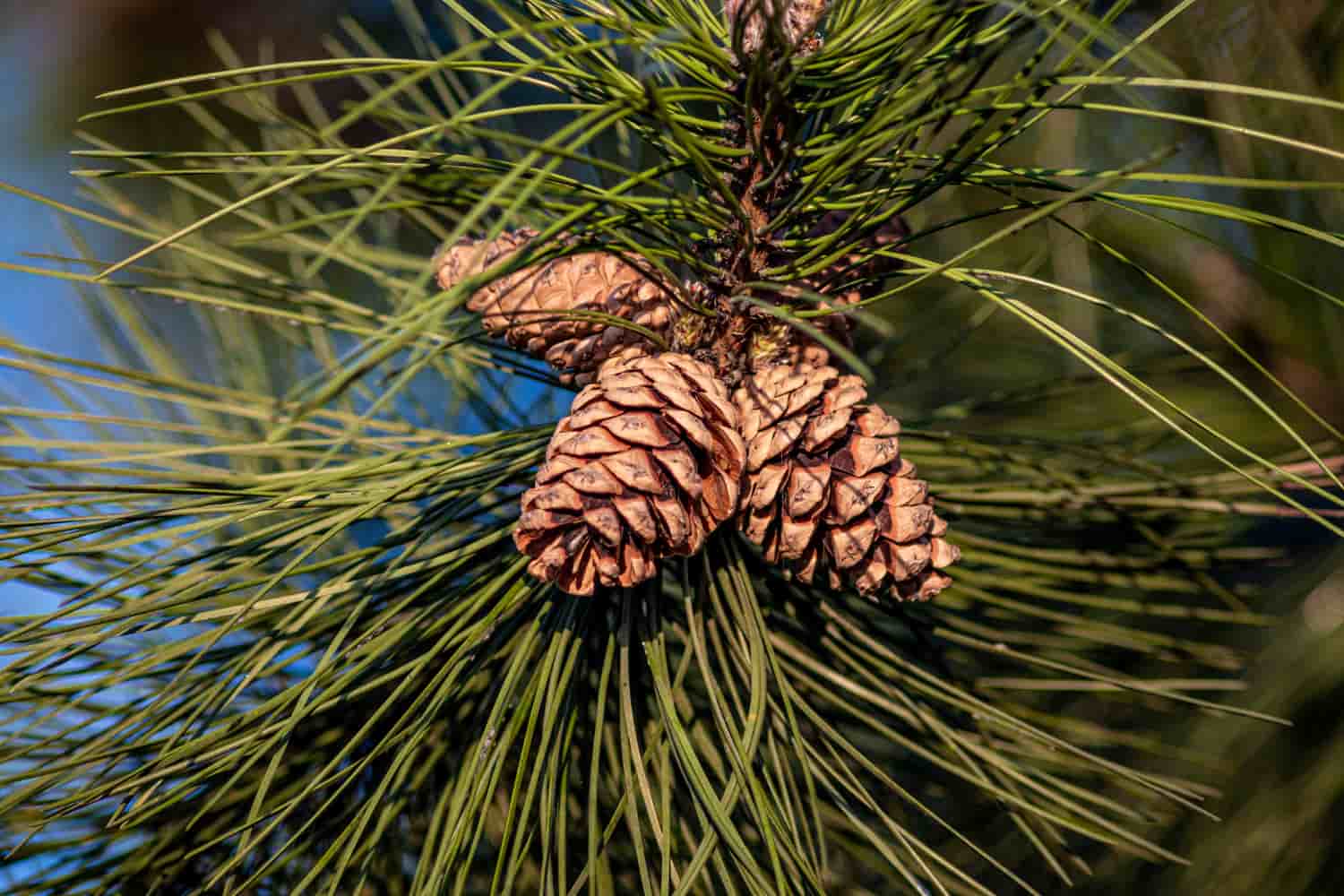
Lodgepole pines are pretty common, especially out west, and they add a lot to the landscape. But like any living thing, they can get sick. Dealing with lodgepole pine diseases can be a real headache if you don’t know what you’re looking for. We’re going to break down some of the common issues, how to spot them, and what you can do to keep your pines healthy. It’s not rocket science, but paying attention to the details really helps.
Understanding Lodgepole Pine Diseases
Lodgepole pines, while generally tough trees, aren’t immune to their own set of health problems. Just like us, they can get sick, and knowing what to look for is half the battle. These issues can range from tiny fungal invaders to more serious problems that can really stress out your tree. Catching these problems early is key to helping your tree recover.
Common Fungal Infections
Fungi are everywhere, and unfortunately, some of them like to set up shop on lodgepole pines. You might see things like powdery mildew, which looks like a white, dusty coating on the needles, or rusts that show up as little orange or yellow spots. These aren’t just cosmetic issues; they can weaken the tree, making it more susceptible to other problems. Some fungi, like those causing pitch canker or blight, can directly damage branches and needles, sometimes leading to dieback. It’s a constant battle for the tree to fight these off, especially when conditions are just right for the fungus to spread.
Bacterial and Viral Threats
While less common than fungal issues, bacteria and viruses can also pose a threat. These microscopic organisms can cause a variety of symptoms, often leading to wilting, unusual spots, or stunted growth. Identifying these can be tricky because their signs can sometimes mimic other problems. Often, a tree’s best defense is a strong, healthy system, so keeping it well-cared-for is the first line of defense.
Identifying Early Symptoms
So, how do you know if your lodgepole pine is under the weather? Keep an eye out for changes. Needles might start to yellow or turn brown prematurely, or you might see branches that are just… dead. Sometimes, the bark can look a bit off, with unusual sap flows or lesions. Even the way the tree grows can be a clue; if it looks leggy or sparse when it shouldn’t, something might be up. Paying attention to these subtle signs can make all the difference.
Here are some common things to watch for:
- Needle Changes: Yellowing, browning, or premature shedding of needles.
- Branch Issues: Dieback, wilting, or branches that look unusually bare.
- Bark and Growth: Strange spots, oozing sap, stunted growth, or an overall unhealthy appearance.
It’s easy to overlook small changes in your trees, but they’re often the first signals that something isn’t right. Think of it like a little alarm system for your pine.
Recognizing Signs of Lodgepole Pine Distress
Spotting problems with your lodgepole pine early on is super important. It can really make a difference in whether it bounces back or not. You don’t need to be a tree expert to notice when something’s off, but you do need to pay attention.
Needle Discoloration and Loss
One of the first things you might see is a change in the needles. Instead of that nice green color, they might start turning yellow or even brown. This can happen for a few reasons, like not getting enough nutrients or maybe stress from weather. Sometimes, needles just start falling off, especially the older ones closer to the trunk. If you see a lot of needles dropping all at once, or if the color change is widespread, it’s definitely a sign to look closer.
- Yellowing needles: Often an early indicator of stress or nutrient issues.
- Brown needles: Can signal drought, disease, or pest problems.
- Premature needle drop: Especially if it’s more than just the usual older needles shedding.
Unusual Growth and Bark Changes
Keep an eye on how the tree is growing and what the bark looks like. Is it growing slower than usual, or looking kind of spindly? That’s not a great sign. The bark is another big clue. You might see small holes, which could mean insects are burrowing in. Sometimes, there’s a sticky stuff, called exudation, oozing out from the bark. This often happens when the tree is trying to fight off something, like an insect or a disease. It’s like the tree’s way of saying ‘ouch!’
Branch Dieback and Wilting
Wilting or drooping branches are pretty obvious signs that something’s not right. This can point to issues with water – either too much or too little. If branches start to look dead, turning brown and brittle, that’s called dieback. It means that part of the tree isn’t getting what it needs to survive. You might also notice fuzzy or powdery stuff on the needles or branches, which could be a sign of a fungal infection. It’s like a white coating that shouldn’t be there.
Paying attention to these visual cues is your first line of defense. Don’t brush off small changes; they can be the tree’s way of signaling a bigger problem before it gets out of hand.
Key Lodgepole Pine Diseases and Their Manifestations
Lodgepole pines, while generally hardy, aren’t immune to a variety of ailments that can weaken them. Understanding these specific diseases and how they show up is your first line of defense. It’s not always obvious, but a keen eye can spot the early warnings before things get too serious.
Powdery Mildew and Rust Infections
Powdery mildew is that fuzzy, white coating you might see on needles, especially in shady, humid spots. It’s like a blanket of mold that can really sap the tree’s energy, making it look generally unwell. Rust infections are a bit more colorful, often showing up as bright orange or yellow spots on the needles. These spots are actually the fungus releasing spores, and they can cause needles to drop way before they should, leaving branches looking bare.
- Powdery Mildew: White, powdery growth on needles.
- Rust: Orange or yellow spots on needles, leading to premature shedding.
Pitch Canker and Blight
Pitch canker is a nasty one. You’ll often see oozing resin, or pitch, from infected areas on branches or the trunk. This sticky stuff is the tree’s response to the fungus. Blights, like Diplodia tip blight, can cause needle tips to turn brown and die back. You might also notice small, black dots on the affected needles or shoots. These diseases can weaken branches and, in severe cases, kill parts of the tree. Keeping an eye on pine beetle activity is also important, as weakened trees are more susceptible.
Annosus Root Rot Impact
This disease is a bit more insidious because it attacks the roots and the base of the trunk. You might not see obvious signs until the damage is pretty advanced. What happens is a soft, stringy rot develops in the roots and lower trunk. Sometimes, you can find strange, bracket-like growths (called conks) near the base of the tree. These are the fungus’s fruiting bodies. The fungus spreads most easily through freshly cut stumps, so if you’ve had any logging or significant pruning done, it’s something to be aware of. It can take years for symptoms to show, but it eventually leads to tree death.
Annosus root rot is a serious threat, especially after forest thinning operations. It attacks the root system and lower trunk, often remaining hidden until significant decay has occurred. Prevention, particularly on freshly cut stumps, is key to managing its spread.
Pest Infestations Affecting Lodgepole Pines
Pine Beetle Activity
Pine beetles are probably the most talked-about pest when it comes to lodgepole pines, and for good reason. These little guys can really do a number on a healthy tree. You’ll often see small holes in the bark, and if you look at the base of the tree, there might be a little pile of sawdust. That’s a pretty good sign something’s going on underneath.
The most obvious symptom is usually needle discoloration, often starting with a yellowing and then progressing to a reddish-brown. This is followed by branches starting to die off. It’s a pretty rapid decline once they get a good hold.
- Identification: Look for pitch tubes (sticky blobs of resin) on the bark, small exit/entrance holes, and frass (sawdust like material) at the base of the tree.
- Symptoms: Yellowing or browning needles, thinning crown, and eventually, dead branches or the entire tree.
- Prevention: Keep your trees healthy by watering them properly, especially during dry spells. Avoid stressing them out, as stressed trees are more attractive to beetles.
Aphid and Other Insect Pests
While pine beetles get a lot of attention, don’t forget about the smaller critters. Aphids, for instance, can be a real nuisance. They tend to hang out on the needles and branches, sucking the sap right out. You might notice a sticky residue, called honeydew, on the needles and branches below where they’re feeding. Sometimes, this sticky stuff can even lead to the growth of a black sooty mold.
Other insects, like scale insects or certain types of caterpillars, can also cause damage. They might chew on needles or bark, weakening the tree over time. It’s all about keeping an eye out for anything unusual.
- Aphids: Look for tiny, soft-bodied insects, often green, black, or brown, clustered on new growth. You’ll also see that sticky honeydew.
- Scale Insects: These look like small bumps or shells attached to twigs and needles.
- Treatment: For aphids, a strong spray of water can sometimes dislodge them. Insecticidal soaps or neem oil are also effective. For other pests, identify them first, then choose an appropriate treatment, often focusing on biological controls or targeted sprays.
Nematode Borne Diseases
This is where things can get really serious, and it often involves another insect as a carrier. Pine wilt, for example, is caused by a nematode that’s spread by pine sawyer beetles. The nematodes get into the tree and basically clog up its water transport system. This is a fast-acting disease, and unfortunately, it’s usually fatal for the tree.
The key here is that the insect is just the delivery system for the actual disease causing agent, the nematode. So, controlling the insect vector is a big part of preventing the spread of these nematode-borne diseases.
- Pine Wilt: Symptoms start with needles turning grayish-green, then yellow, and finally reddish brown. The tree can die within weeks or months.
- Transmission: Primarily spread by pine sawyer beetles carrying the pine wilt nematode.
- Management: If a tree is infected, it needs to be removed immediately to prevent spread. Chip, burn, or bury the wood before the beetles emerge. There are some professional treatments, but they are often not effective once symptoms appear.
Environmental Factors Contributing to Disease
Sometimes, even with the best intentions, the environment around our lodgepole pines can set them up for trouble. It’s not always about bugs or fungi directly; it can be the conditions we create or that nature throws at them. Think of it like this: a stressed out tree is an easy target for all sorts of problems.
Improper Watering Practices
Watering seems straightforward, right? But getting it wrong can really stress out your lodgepole pine. Too little water, especially during dry spells, makes the tree weak and vulnerable. On the flip side, constantly soggy soil can lead to root rot, which is a whole other can of worms. Finding that sweet spot is key to keeping your tree healthy and resilient.
- Check soil moisture regularly: Stick your finger a couple of inches into the soil. If it feels dry, it’s time to water. If it’s still damp, hold off.
- Water deeply but less often: Encourage deep root growth by giving your tree a good, long soak rather than frequent, shallow sprinkles.
- Consider your climate: Hot, dry weather means more watering. Cool, damp weather means less.
Overwatering is a common mistake, especially in areas with naturally heavy rainfall or poorly draining soil. It suffocates the roots, making them susceptible to fungal infections.
Inadequate Light Conditions
Lodgepole pines, like most conifers, need a good amount of sunlight to thrive. If your tree is planted in a spot that’s too shady, it won’t be able to photosynthesize effectively. This leads to weaker growth, thinner foliage, and a general lack of vigor, making it an easier target for diseases and pests. Too much direct, intense sun, especially in very hot climates, can also cause problems like scorched needles.
- Observe your tree’s location: Does it get at least six hours of direct sun daily? If not, consider its placement.
- Watch for leggy growth: If the branches are stretching out with sparse needles, it might be reaching for more light.
- Protect from harsh afternoon sun: In extremely hot areas, some afternoon shade might be beneficial, but avoid deep, constant shade.
Soil Health and Drainage Issues
The ground your lodgepole pine is planted in plays a huge role. Compacted soil, or soil that doesn’t drain well, is a recipe for disaster. When water can’t escape, it sits around the roots, essentially drowning them and creating an environment where harmful fungi can flourish. Poor soil also means the tree can’t get the nutrients it needs to stay strong.
- Test your soil drainage: Dig a hole about a foot deep and fill it with water. If the water takes more than a few hours to drain, you have a drainage problem.
- Amend heavy soils: Adding organic matter like compost can improve drainage in clay heavy soils.
- Avoid planting too deep: Make sure the root flare (where the trunk widens at the base) is at or slightly above soil level.
Preventive Strategies for Lodgepole Pine Health
Keeping your lodgepole pines looking their best isn’t just about reacting when something goes wrong. It’s more about being proactive, you know? Like with anything living, a little regular attention goes a long way. We’re talking about making sure they have what they need to stay strong and fight off any trouble that comes their way.
Best Practices for Tree Care
This is where you get hands on with your tree’s well being. It starts with the basics, like making sure the soil is just right. You don’t want it too soggy or bone dry. A simple finger test or a moisture meter can tell you a lot. If your soil drains poorly, consider amending it or even using raised beds. And don’t forget about sunlight these pines generally like a good amount of it. If other plants are crowding them out, a bit of strategic pruning can open things up.
- Check soil moisture regularly.
- Adjust watering based on weather and soil conditions.
- Improve drainage if needed.
- Ensure adequate light exposure.
- Prune competing vegetation.
Importance of Regular Monitoring
Honestly, this is probably the most important part. You can’t fix what you don’t know is broken. So, making it a habit to just walk around and look at your trees is a big deal. Look for anything that seems off weird spots on the needles, branches that look droopy, or any unusual critters hanging around. Catching these things early means you can often deal with them before they become major headaches. It’s like checking your car for strange noises before the engine seizes up.
Regular inspections are your first line of defense. A few minutes spent observing can save you a lot of trouble down the road. It’s about being observant and knowing what to look for.
Seasonal Care Considerations
Your lodgepole pine has different needs throughout the year. Thinking about what’s happening seasonally can help you stay ahead of problems.
- Spring: This is a great time to give your tree a little boost. Fertilizing can help it get going after winter, and it’s also a good time to do a thorough check for any pests that might have survived the cold or are just starting to show up. Look for any signs of damage from winter weather too.
- Summer: Keep a close eye on watering, especially if it’s a hot, dry spell. Also, check that it’s still getting enough light and that no new plants are starting to shade it out too much. Pests can really take off in the summer, so keep looking.
- Fall: Before winter really sets in, it’s wise to prepare your tree. Adding a layer of mulch around the base can help protect the roots from freezing temperatures. This is also a good time for a final disease check before the leaves drop, making it easier to spot any issues.
By paying attention to these seasonal shifts, you’re giving your lodgepole pine the best chance to stay healthy and strong all year round.
Keeping Your Lodgepole Pines Healthy
So, keeping your lodgepole pines looking good isn’t exactly rocket science, but it does take a little attention. We’ve talked about spotting problems early, like weird needle colors or wilting branches, and what to do about them. Remember, a healthy tree is a strong tree, better able to fight off pests and diseases. Regular checks, the right amount of water, and making sure they get enough sun can go a long way. Don’t be afraid to get in there and look closely catching things early is key. If you’re ever unsure, calling in a professional is always an option. A little bit of care now can mean a lot less worry down the road.
If you want help keeping your lodgepole pines healthy, contact a Toronto certified arborist today!
Frequently Asked Questions
What are the first signs that my lodgepole pine might be sick?
Keep an eye out for changes in the needles, like yellowing or browning. Also, look for branches that seem to be wilting or drooping. Sometimes, you might see unusual fuzzy stuff on the needles, which could be a sign of fungus.
How often should I water my lodgepole pine?
It’s best to check the soil moisture before watering. Stick your finger about two inches into the ground; if it feels dry, it’s time to water. Adjust your watering based on the weather – more when it’s hot and dry, less when it’s cool and wet.
What’s the deal with pine beetles and lodgepole pines?
Pine beetles are a big problem. They can burrow into the bark, leaving small holes and sawdust. You might notice the needles turning yellow or branches dying off. It’s important to spot them early.
Can I save a lodgepole pine that looks like it’s dying?
Sometimes, yes! Early detection is key. If you catch problems like yellowing needles or wilting branches soon enough, you might be able to help your tree recover with the right care. But if the whole tree is changing color or sap is running heavily, it might be too late.
What’s the most important thing I can do to keep my lodgepole pine healthy?
Avoid damaging your tree! This means being careful around the roots and trunk, especially when mowing or doing yard work. Also, avoid pruning too much at once. Healthy trees are less likely to get sick.
Are there any common diseases that affect lodgepole pines?
Yes, lodgepole pines can get fungal diseases like powdery mildew, which looks like white fuzz on needles, and rust, which causes orange or yellow spots. There are also issues like pitch canker and root rot that can harm the tree.
Serving the Greater Toronto Area