
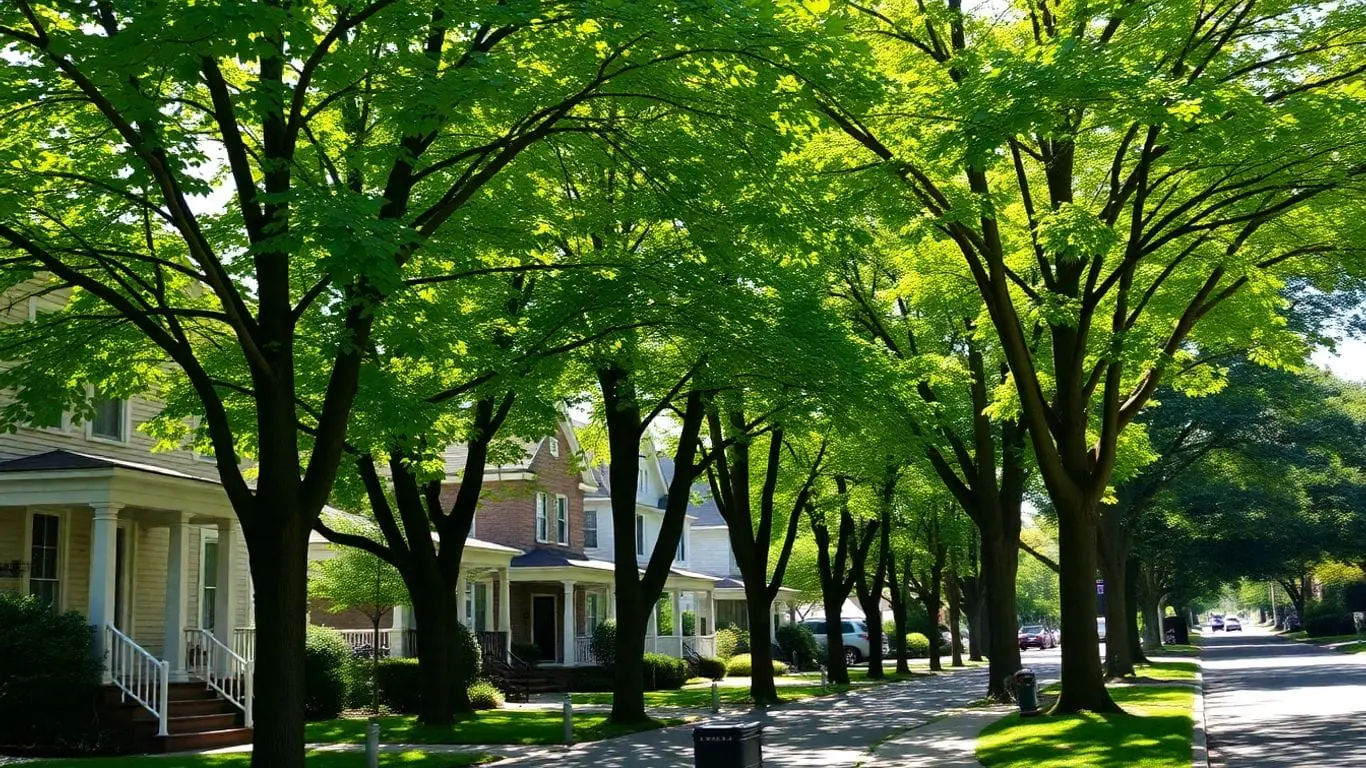
Thinking about cutting down a tree? It’s not as easy as grabbing a saw and getting to work. The city has strict rules, and the Toronto tree bylaw is in place to protect the urban forest. Whether you’re dealing with a dying tree, planning some construction, or just want a bit more sunlight in your backyard, you’ll need to know what’s allowed, what paperwork is needed, and what could happen if you break the rules. Here’s a straightforward look at what the tree bylaw means for homeowners, the permit process, and what kind of fines you might face if you don’t follow the rules.
Key Takeaways
- You usually need a permit to remove or seriously prune any tree over 30 cm in diameter on private property.
- The permit process often requires an arborist report, a replanting plan, and fees that vary depending on the situation.
- Fines for removing a protected tree without a permit can be steep anywhere from $500 up to $100,000 per tree.
- There are different types of permits based on where the tree is located (private property, city land, ravines, or during construction).
- Hiring a certified arborist can make the process easier and help you avoid mistakes that could cost you fines or delays.
What is the Toronto Tree Bylaw?
The Toronto Tree Bylaw is a set of municipal regulations aimed at protecting and managing the city’s urban forest on both public and private land. If you own property, the bylaw sets out which trees you can remove, what permits are required, and the consequences for not following the rules.
There are actually several bylaws working together, but the most discussed is the “private tree bylaw Toronto,” which specifically impacts trees on private property, and the broader “tree protection bylaw Toronto” that covers trees along streets, in parks, and on city-owned land.
Here’s what the Tree Bylaw typically covers:
- Controls on injuring, removing, or destroying certain trees (usually over 30 cm in trunk diameter at 1.4 meters height)
- Requirements to apply for a permit before cutting or harming protected trees
- Steps for public notification and consultation in certain cases
- Obligations for tree replacement or cash-in-lieu payments when removal is allowed
| Key Aspect | Description |
|---|---|
| Permit Requirement | Mandatory for removing most trees >30 cm in diameter |
| Permit Application Fee | $124–$370 CAD per tree (as of 2024) |
| Replacement Obligation | At least 1 new tree must be planted or a fee paid |
| Fines for Violations | $500 up to $100,000 per tree |
Why Does Toronto Have a Tree Protection Bylaw?
Tree protection bylaw Toronto is about way more than just keeping things looking green. It’s designed to protect the city’s urban forest for everyone now and for future generations. The city’s approach isn’t unique many places establish policies to regulate tree activities to keep neighborhoods safe and healthy.
Here’s why the city put this bylaw in place:
- Trees are important for air quality they filter out pollutants and make it easier to breathe.
- They help cool the city down in the summer, giving shade and reducing the heat from streets and buildings.
- Tree canopy is home to countless birds, animals, and insects, adding life to city spaces.
- They make neighborhoods more pleasant and can even boost property values.
- Urban forests help soak up rainwater to lower the risk of flooding, especially with more buildings around.
The rules set by the bylaw don’t just stop developers or homeowners from cutting trees for no reason they support the safety, sustainability, and well-being of every resident. That’s why the city takes this seriously, with fines and other penalties if the rules are ignored.
Tree Protection Zones Toronto
When folks think about tree protection zones in Toronto, they’re picturing the space around a tree that must be kept safe from harm, especially during projects like home renovations, landscaping, or even driveways. A tree protection zone (TPZ) is a set area around the trunk where the roots are likely to be found, and it’s off-limits for construction, digging, or heavy storage. This isn’t just for show the rules are designed to keep both city and private trees healthy for the long haul.
The size of a tree protection zone Toronto depends mostly on the diameter of the tree, measured at about 1.4 meters above ground. The bigger the tree, the wider the protected area needs to be. Here’s a quick reference:
| Trunk Diameter (at 1.4m) | Minimum TPZ Radius |
|---|---|
| 30 cm or less | 1.8 meters |
| 31–40 cm | 2.4 meters |
| 41–50 cm | 3.0 meters |
| Over 50 cm | 3.6+ meters |
When you’re planning work on your property, you’ll encounter these basics for tree protection zones:
- Install sturdy fencing around the TPZ before starting any equipment work.
- Avoid piling materials, dumping soil, or driving vehicles in this area.
- Don’t cut roots or lower the soil level inside the zone this can wreck the tree’s health fast.
Protecting a tree’s critical root zone is not just about following the rules it’s the simplest way to avoid hefty fines and keep your yard looking good for years ahead.
People often overlook these zones until a contractor or the city points out a problem. If you’re unsure about the right size or setup, it’s always safer to check with a certified arborist or the city’s urban forestry office first, instead of risking your favorite maple, or worse, a penalty.
Types of Trees Covered by the Bylaw
Tree Bylaw doesn’t just cover any tree in the city it has strict guidelines about which ones need protection and when permits are necessary. The main rule is that you usually need permission to remove, injure, or destroy any private tree with a trunk diameter of 30 centimeters or more measured at 1.4 meters above the ground. This sizing is checked at what arborists call “breast height.”
The bylaw applies to trees in a few key scenarios:
- Trees on private property that meet the size standard (not just city or park trees)
- Both deciduous (those that lose leaves in fall) and coniferous trees (evergreens) are included
- Trees in ravines, woodlots, and protected green spaces are sometimes under even stricter rules
Here’s a simple breakdown of the types:
| Tree Type | Protected by Bylaw? | Example |
|---|---|---|
| Deciduous | Yes | Maple, Oak, Birch |
| Coniferous | Yes | Pine, Spruce, Cedar |
| Small saplings | No (under 30cm DBH) | Young trees |
Some trees are exempt (for example, those that are dead or pose an imminent hazard), but for the vast majority of healthy, mature trees, the bylaw is firm. This includes major limbs, roots, and the full canopy knowing your tree terminology is helpful if you’re dealing with a bylaw issue, so it doesn’t hurt to brush up on key terms like primary branches or the canopy.
If you’re unsure whether your tree falls under the bylaw’s protection, it’s better to check with the City before starting any work. The rules can feel a bit complicated, but it’s always wiser to ask questions upfront instead of risking a hefty fine.
The Toronto Tree Bylaw Application Process
The tree bylaw Toronto isn’t as simple as just grabbing a saw. The Toronto tree bylaw application process can get a bit technical, and missing even one step might mean delays or even permit refusal. Here’s what you need to know to get that permit in order:
- Gather the Required Documents: Usually, you’ll need an arborist report describing the tree’s condition, a replanting plan, and sometimes site drawings (especially for construction projects).
- Pay the Fees: Fees vary based on tree type, location, and the nature of the work. It’s not just a flat rate for everyone. Some common fees are listed below.
- Submit a Complete Application: Double-check all paperwork and fill out every section. A missed signature or a missing detail could set you back weeks.
- Wait for Review & Potential Inspection: Once submitted, city staff reviews your package. If everything is in order, an inspection may be scheduled where a city arborist checks the tree’s health and site details.
- Public Notice (Sometimes): For healthy trees, there may be a minimum 14-day public notification period so neighbors can provide feedback.
- Get the Decision: The city makes the final call and lets you know by mail if your permit is approved, denied, or needs conditions met (like planting new trees).
| Permit Type | Application Fee (per tree) | Typical Extra Fees |
|---|---|---|
| Private Tree Removal | $137.50 | $585 payment instead of replanting |
| Neighbor/Boundary Tree | $287.03 | $585 payment instead of replanting |
| Construction Tree Removal | $411.03 | 2-3 replants per removal ($585+ each) |
| City Tree Removal | $411.35 | $585 payment instead of replanting |
Keep in mind: it’s always smart to check with a qualified arborist before applying. They can help you sort the paperwork and avoid mistakes that could cost you both time and money.
Fines and Penalties for Violating the Tree Bylaw
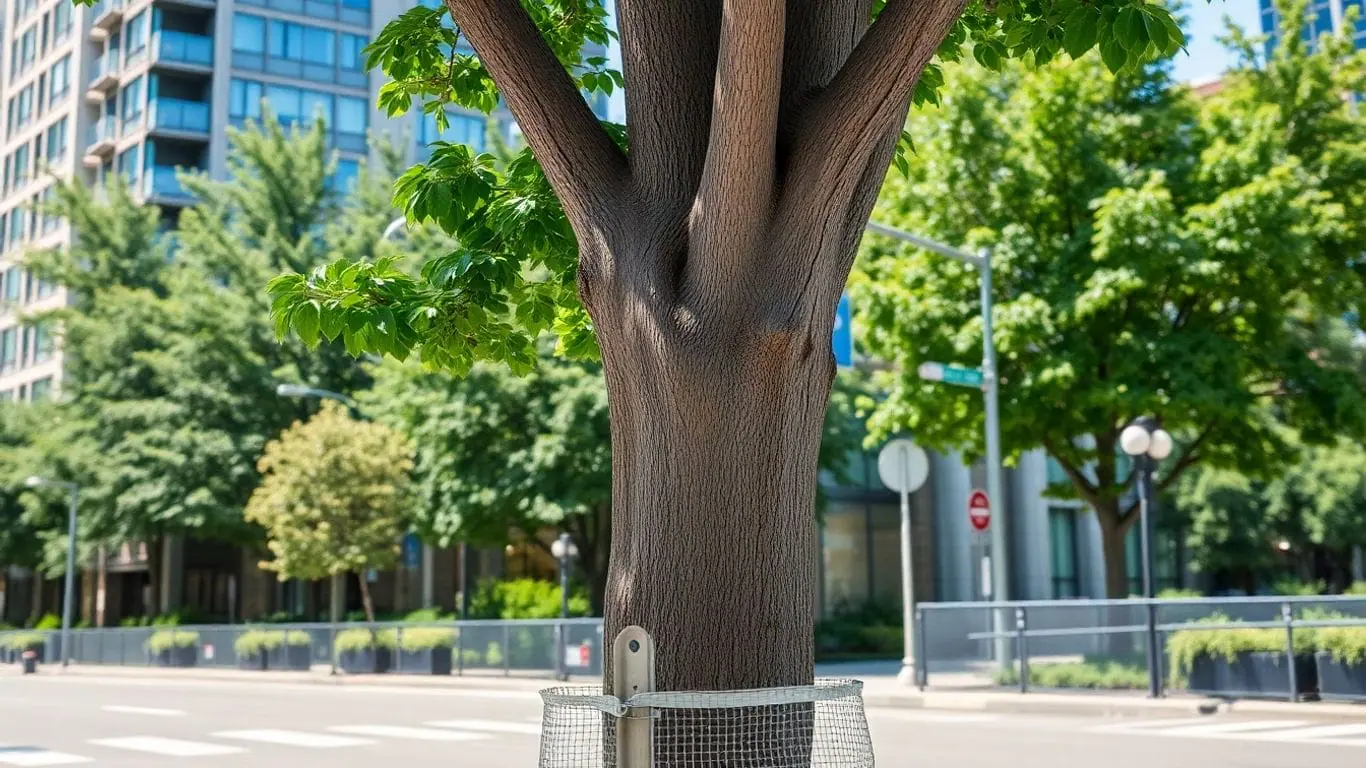
Breaking the bylaw isn’t just a slap on the wrist the fines can be massive, and the city’s approach is pretty strict. If you cut, damage, or remove a protected tree without the necessary permits, you can expect some real consequences.
Table: Example Fines for Tree Bylaw Violations
| Offence | Fine (per tree) |
|---|---|
| Minimum penalty | $500 |
| Maximum penalty | $100,000 |
| Special fine for financial benefit gained | Up to $100,000 extra |
But money isn’t the only thing at risk. Here are some other possible penalties and actions if you violate the tree bylaw:
- You might have to cover the cost of planting replacement trees, depending on what was lost.
- The city can charge additional contravention inspection fees for each impacted tree.
- Legal action is possible, especially for serious or repeat offenses. This could mean court appearances and even bigger headaches.
- Orders may be issued, such as Stop Work Orders or compliance requirements, to remedy the situation.
Even if the removal or damage was a mistake, the city considers things like the tree’s appraised value, your intentions, financial circumstances, and behavior during the investigation before setting fines.
Ignoring the rules can quickly get expensive and stressful, and the city doesn’t back down easily. If you’re not sure about the process, it’s a good idea to ask a professional or contact Urban Forestry, because it’s way easier than dealing with the aftermath of a bylaw violation.
Exemptions and Special Circumstances
There are some situations where Tree Bylaw doesn’t apply like it usually would. Understanding these exemptions is key for anyone managing a property with trees. For example, if a tree is dead, dying, or poses a danger, you often don’t need a permit to remove it. That’s important if you’re worried about safety or big storms knocking trees down. You can check out more on cases like this with some clear guidance on when trees can be removed without a permit.
A few other special cases exist:
- Trees that are on the species list considered invasive aren’t protected by the bylaw.
- If the tree falls below a certain trunk diameter (typically less than 30 cm measured at 1.4 meters above ground), those smaller trees usually aren’t subject to the permit requirements.
- Emergencies after a storm or other natural event may also allow for removal or serious pruning without waiting for the permit process.
| Exemption Type | Permit Needed? |
|---|---|
| Dead or structurally dangerous | No |
| Invasive species | No |
| Diameter below threshold | No |
| Emergency response | No (immediate action) |
Situations can change fast with trees, especially after storms or disease. Always double check with the city before making any permanent change, even if you think you’re exempt. The rules are meant to protect both people and the urban forest.
Private Tree Bylaw Toronto Consultations and Professional Help
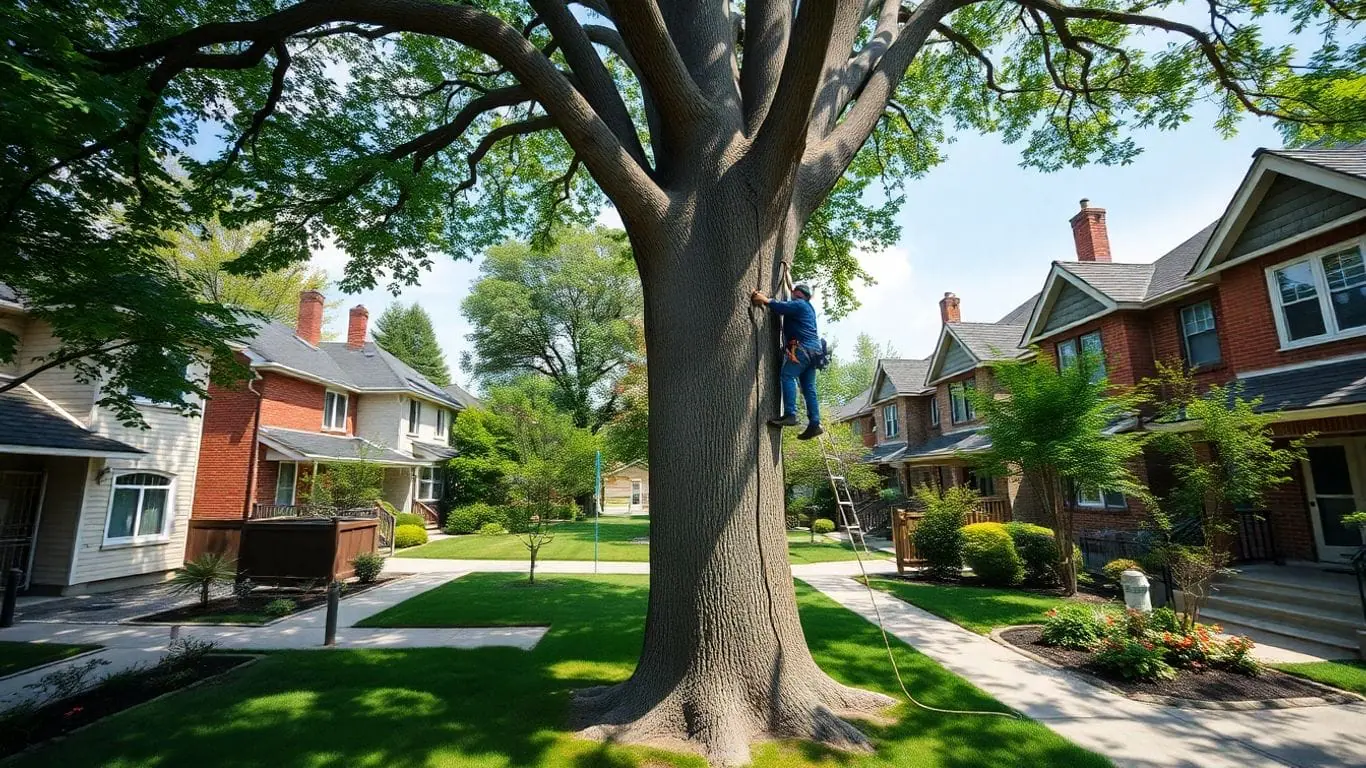
Understanding the private tree bylaw Toronto and permit requirements can be challenging. If you’re thinking about removing or altering a tree on your property, a tree bylaw consultation Toronto can save you time, money, and trouble. Certified arborists know the ins and outs of the city’s rules and will make sure everything is handled properly.
Here’s how they help:
- Assess tree health and overall safety, letting you know if the tree is diseased, dangerous, or even eligible for removal.
- Handle detailed paperwork for permit applications so your submission won’t get rejected over missing information.
- Prepare arborist reports that the city often requires, detailing size, species, condition, and why you want to remove it.
- Advise on other options like pruning, preservation, or appropriate replanting if removal isn’t necessary.
- Perform safe and precise removal, especially near buildings or wires, limiting risk to your home and neighbors.
Steps for finding the right consultant:
- Search for certified local experts look for ISA or other reputable certifications.
- Read reviews and ask neighbors or friends for real-life experiences.
- Get multiple quotes before making a decision. Choosing price over experience can backfire!
Some people try to deal with the paperwork on their own, only to find out they’ve missed something crucial or run into city delays. Involving a trusted pro from the start often means a smoother process and less guesswork.
Keep in mind, certified experts are available for Toronto 24-hour tree service and can handle everything from initial consultation to final removal, ensuring your project sticks to city regulations. Whether it’s for peace of mind or because the city requires official paperwork, getting the right support matters.
Alternatives to Tree Removal
Before you decide to cut down a tree, it’s worth looking at other options you might have. Preserving mature trees can benefit your property and the neighborhood in many ways. Sometimes it’s easy to forget how much shade, privacy, and beauty a large tree offers until it’s gone.
Here are a few practical alternatives to tree removal in Toronto:
- Pruning: Selective pruning can often solve problems like dead branches or interference with structures, without needing to remove the entire tree.
- Root barrier installation: If tree roots are damaging pavement or underground pipes, root barriers might help mitigate the issue while keeping the tree in place.
- Cabling and bracing: For trees with split trunks or weak branches, this process can add support and prolong a tree’s safe life.
- Arborist assessment: Sometimes what looks like disease or damage is treatable or less severe than you think. Consulting a professional for tree risk assessment in Toronto and permit advice is always a good move.
- Relocation: In rare cases, smaller trees can be dug up and moved to another spot on your property, though this option can be expensive and doesn’t work for every species or size.
To help you think through your options, here’s a quick table showing typical solutions based on common issues:
| Issue | Alternative |
|---|---|
| Broken limbs | Pruning |
| Unstable structure | Cabling/bracing |
| Root problems | Root barrier installation |
| Light blockage | Selective trimming |
| Pest/disease signs | Arborist health treatment |
Sometimes, leaving a tree standing is the best move you can make not just for your own yard, but for the whole community’s urban forest. If you’re unsure what to do, get a second opinion before taking any drastic steps.
Conclusion
Dealing with Toronto’s tree bylaw can feel like a lot, especially if you’ve never had to think about permits or city rules before. But at the end of the day, these steps are there to help keep the city green and safe for everyone. If you’re planning to remove a tree, make sure you check if you need a permit, gather the right documents, and maybe talk to an arborist if things get confusing. Skipping the process can lead to some pretty steep fines, and honestly, it’s just not worth the hassle. Taking a little extra time to follow the rules means you can avoid headaches and help keep urban forest thriving for years to come.
Frequently Asked Questions
When do I need a permit to remove a tree in Toronto?
You need a permit if the tree is on your private property and is 30 centimeters or more in diameter at chest height. You also need a permit for trees in ravines or on city land. Smaller trees or those that are dead, dying, or dangerous might not need a permit, but it’s best to check with the city first.
How much does it cost to get a tree removal permit?
The cost depends on why you want to remove the tree. For most private trees, the fee is about $137.50 per tree, but it can go up to $411.03 if it’s for construction. There may also be extra costs for replacement trees or if you pay money instead of replanting.
What happens if I remove a tree without a permit?
If you cut down or damage a protected tree without the right permit, you could get fined anywhere from $500 to $100,000 for each tree. The city might also make you plant new trees or take you to court if it’s serious.
Do I need to plant a new tree if I remove one?
Yes, usually you must plant at least one new tree for every one you remove. If you can’t plant a new tree on your property, the city might let you pay a fee instead, and they’ll plant it somewhere else.
Can an arborist help me with the tree permit process?
Yes! Arborists know the city’s rules and can help with reports, paperwork, and making sure your application is correct. They can also suggest safe ways to remove or keep the tree.
Are there any trees that are not covered by the Toronto Tree Bylaw?
Some small trees or trees that are dead, dying, or pose a danger might not be covered. Also, fruit trees and some hedges could be exempt, but always check with the city to be sure before you do anything.
Serving the Greater Toronto Area